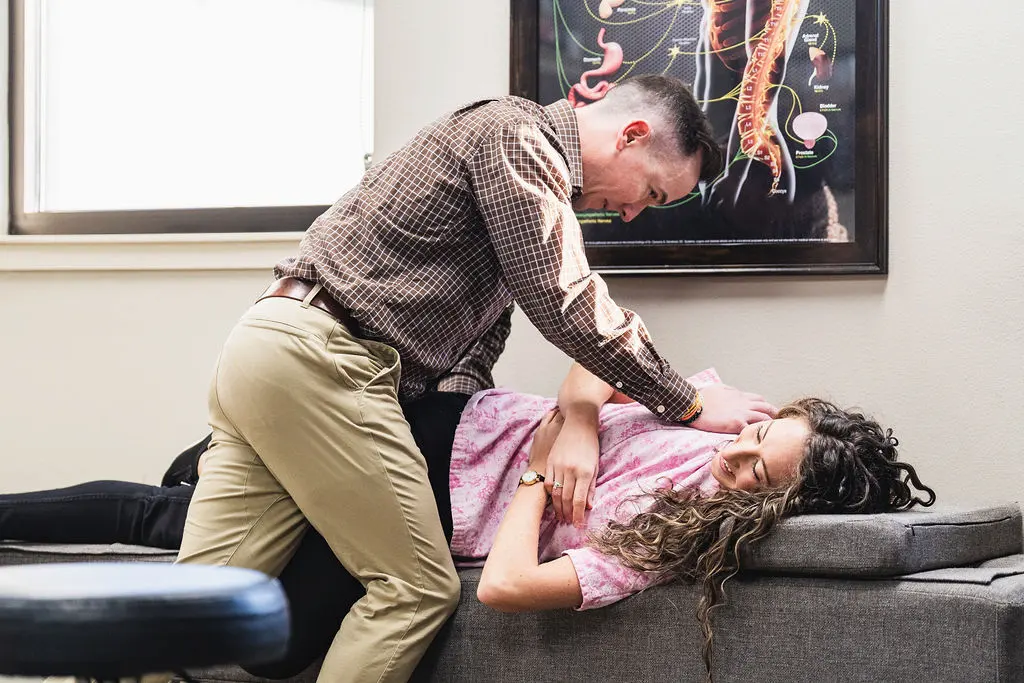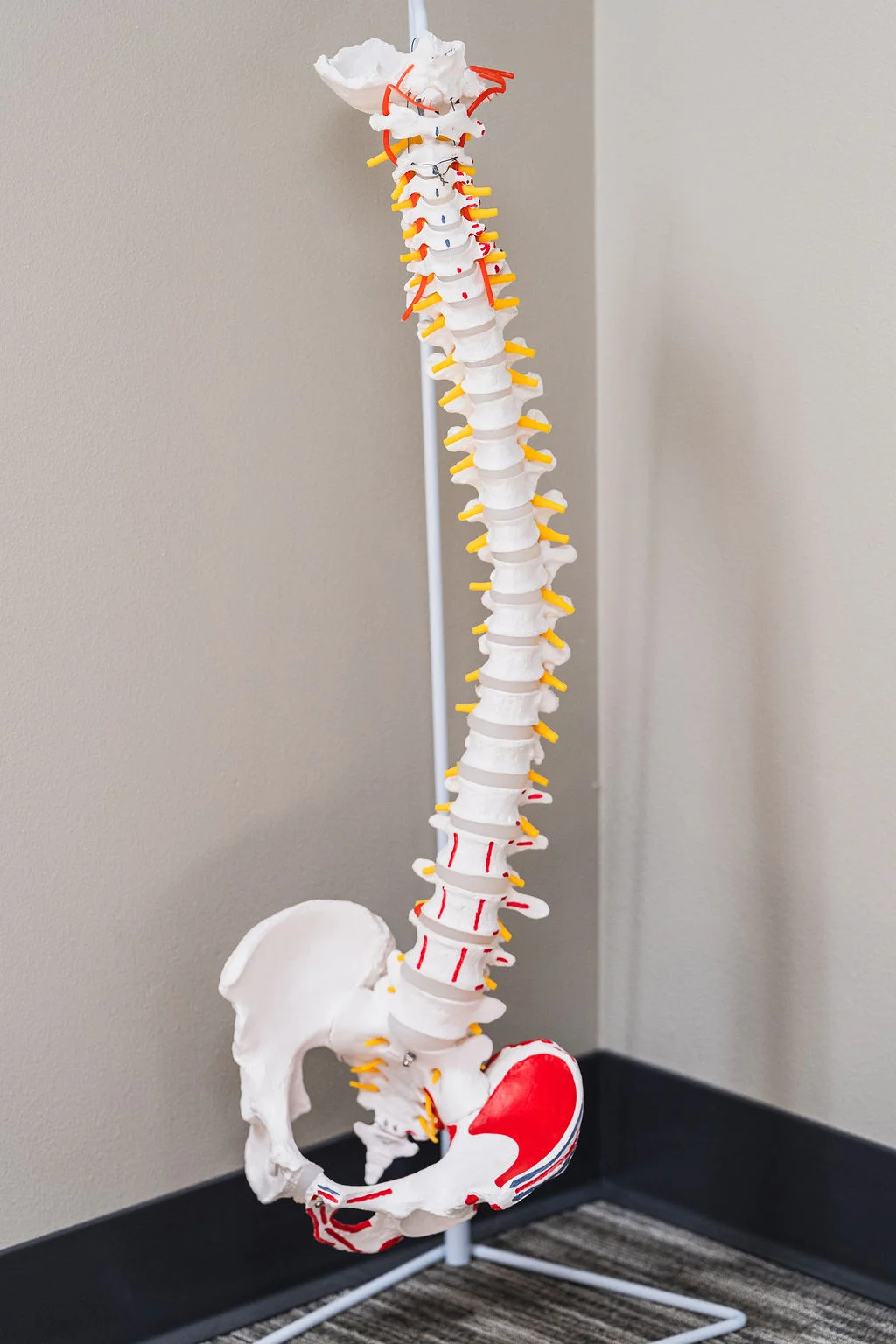

Sleep problems and back pain create a vicious cycle where pain prevents restful sleep, and poor sleep worsens pain sensitivity and healing capacity. Gonstead chiropractic adjustments in Cedar Falls improve sleep quality by correcting the spinal misalignments that cause pain when lying down, reducing nervous system irritation that prevents deep sleep, and restoring proper circulation throughout the night. Many patients report better sleep as one of the first improvements they notice from chiropractic care, often before their original pain complaint fully resolves.
The Two-Way Connection Between Sleep and Spinal Health
Back pain disrupts sleep. Poor sleep worsens back pain. Understanding this relationship helps break the cycle.
When your back hurts, finding a comfortable sleeping position becomes difficult. You toss and turn throughout the night. Each movement wakes you briefly, preventing deep restorative sleep.
But the relationship works both ways. Sleep deprivation increases pain sensitivity. Your nervous system becomes more reactive when exhausted. The same back problem hurts more when you’re sleep deprived.
Poor sleep also slows healing. Your body repairs tissues during deep sleep. Without adequate rest, back injuries heal slower and pain persists longer.
How Spinal Misalignment Disrupts Sleep
The connection between spine and sleep isn’t just about pain. Structural problems affect sleep quality in multiple ways.
Direct Pain Interference
When vertebrae are misaligned, certain positions create pain. Lying flat might compress a nerve. Sleeping on your side might stress a restricted joint. You can’t maintain any position long enough for deep sleep.
Nervous System Irritation
Spinal misalignment creates constant low-level nervous system irritation. Even if you’re not consciously aware of pain, your nervous system remains in a heightened state that prevents deep relaxation.
Muscle Tension
Muscles surrounding misaligned vertebrae stay in protective spasm. This tension doesn’t relax at night, keeping your body in a state incompatible with deep sleep.
Breathing Restriction
Thoracic spine problems can affect rib mobility and breathing mechanics. Restricted breathing during sleep reduces oxygen levels and prevents restful sleep.
Circulation Issues
Spinal dysfunction affects autonomic nervous system regulation of blood flow. Poor circulation creates discomfort and contributes to restless sleep.
Common Sleep Positions and Spinal Health
How you sleep affects your spine significantly. Understanding optimal positions helps both sleep quality and spinal health.
Back Sleeping
Sleeping on your back with proper support is often ideal for spinal alignment. A pillow under your knees reduces lumbar stress. Your neck pillow should support the natural cervical curve without pushing your head too far forward.
However, if you have severe lower back pain, lying flat might be impossible initially. This is where chiropractic correction helps restore the ability to sleep in healthy positions.
Side Sleeping
Side sleeping is very common and can be spine-friendly with proper support. Place a pillow between your knees to maintain pelvic alignment. Your neck pillow should fill the space between your head and mattress, keeping your cervical spine neutral.
Avoid the fetal position with knees pulled up too tightly. This creates sustained flexion stress on your lower back.
Stomach Sleeping
This is the worst position for your spine. Your neck is rotated to one side all night, creating significant cervical stress. Your lower back often hyperextends.
Many stomach sleepers resist changing because it’s their only comfortable position. Often, spinal misalignment forces stomach sleeping. After correction, transitioning to better positions becomes easier.
Why Some People Only Sleep in Recliners
When Cedar Falls patients tell us they can only sleep in a recliner, it signals specific spinal problems.
Sleeping upright typically indicates lumbar disc problems or spinal stenosis. Lying flat increases pressure on compressed nerves or discs. The slight flexion in a recliner reduces this pressure.
While sleeping in a recliner isn’t ideal, forcing yourself to lie flat when it creates severe pain isn’t the answer either. The solution is correcting the spinal dysfunction that makes lying flat painful.
After proper chiropractic care, many recliner sleepers transition back to beds as the underlying problem improves.
The Pillow Problem
Pillows matter more than most people realize. Wrong pillows create or worsen spinal problems and sleep issues.
Too High or Too Many Pillows
Stacking multiple pillows or using very thick pillows pushes your head too far forward. This creates the same forward head posture problem you’re trying to avoid during the day.
Too Flat or No Pillow
Without adequate support, your neck drops backward or to the side, stressing cervical joints and muscles all night.
The Wrong Pillow for Your Sleep Position
Back sleepers need different support than side sleepers. Using the same pillow regardless of position creates problems.
Old, Compressed Pillows
Pillows lose support over time. That pillow you’ve had for five years isn’t providing the support it once did.
We often recommend specific pillow types based on your sleeping position and spinal condition. Proper pillow support complements chiropractic care.
Mattress Considerations
Your mattress affects spinal alignment throughout the night.
Very soft mattresses allow your body to sink unevenly, creating poor alignment. Very firm mattresses don’t accommodate your body’s curves, creating pressure points.
The ideal mattress provides support while conforming to your natural spinal curves. This varies by body type, weight, and sleeping position.
An old mattress that’s sagging or has lost support creates problems. Most mattresses should be replaced every 7-10 years.
That said, if your spine is misaligned, even the perfect mattress won’t solve sleep problems. Spinal correction comes first, then optimize your sleeping environment.
How Chiropractic Improves Sleep Quality
Patients at our Cedar Falls practice frequently report improved sleep, often within the first few weeks of care.
Correcting spinal misalignments reduces the pain that prevents comfortable positioning. You can maintain positions long enough to reach deep sleep stages.
Adjustments calm nervous system irritation. Your body shifts from sympathetic (stress) to parasympathetic (rest and digest) dominance more easily.
Muscle tension around corrected vertebrae reduces. Your body can fully relax at night instead of maintaining protective spasm.
Improved spinal function enhances circulation and breathing mechanics, both important for quality sleep.
The Timeline for Sleep Improvement
Many patients notice better sleep quickly, sometimes after just a few adjustments. The pain reduction allows more comfortable rest.
Deeper improvements come with continued care as the nervous system fully adapts to proper alignment.
Some patients report vivid dreams or deeper sleep than they’ve experienced in years. This indicates they’re finally reaching sleep stages they’d been missing.
The Cortisol-Pain-Sleep Connection
Understanding stress hormones helps explain why poor sleep worsens pain.
Sleep deprivation increases cortisol levels. Elevated cortisol increases inflammation throughout your body, including around spinal structures.
This increased inflammation worsens pain, which further disrupts sleep, which raises cortisol more. The cycle perpetuates itself.
Chiropractic care breaks this cycle by reducing the pain that disrupts sleep initially. As sleep improves, cortisol normalizes, inflammation reduces, and pain improves further.
The Sympathetic Nervous System Problem
Chronic pain keeps your sympathetic nervous system activated. This is the fight-or-flight response that’s supposed to be temporary.
When activated chronically, you can’t fully relax. Heart rate stays elevated. Muscle tension persists. Sleep quality suffers.
Proper spinal alignment helps shift nervous system balance back toward parasympathetic (rest and digest) dominance, allowing natural sleep.
Addressing Neck Pain That Disrupts Sleep
Neck pain is a particularly common sleep disruptor. You can’t get comfortable regardless of position.
Cervical misalignments create pain when lying down because gravity affects your neck differently when horizontal. Problems that don’t bother you much during the day become unbearable at night.
Upper cervical adjustments often produce dramatic sleep improvements. Patients report sleeping through the night for the first time in months after cervical correction.
The connection between neck alignment and sleep is so strong that sleep problems should be considered a warning sign of cervical dysfunction.
Sleep Apnea and Chiropractic Care
While chiropractic doesn’t treat sleep apnea directly, proper spinal alignment can affect breathing mechanics.
Forward head posture and upper cervical misalignment can reduce airway space. Correcting these structural problems may improve breathing during sleep.
If you have diagnosed sleep apnea, continue your prescribed treatment (CPAP, oral appliance, etc.). Chiropractic care can complement but not replace these interventions.
Some patients report their CPAP pressure settings need adjustment after significant postural correction because airway mechanics have changed.
The Weight of Your Head on Your Airway
Forward head posture doesn’t just stress your neck muscles. It can affect your throat and airway positioning.
When your head sits properly over your shoulders, airway mechanics work optimally. When your head is forward, the weight pulls on soft tissues in ways that can reduce airway space.
This is particularly relevant for people with borderline sleep apnea or heavy snoring.
Why Sleep Problems Often Improve Before Pain Resolves
Many Cedar Falls patients notice they’re sleeping better before their back pain is completely gone. This seems contradictory but makes sense.
Pain reduction of just 30-40% might not seem dramatic during the day. But that reduction is often enough to make sleeping positions comfortable.
Nervous system calming happens quickly with proper alignment. Even if structural correction is incomplete, the nervous system responds rapidly.
Better sleep then accelerates overall healing, creating a positive feedback loop where improvement builds on itself.
Medications, Sleep, and Spinal Health
Many people with chronic back pain take sleep medications. These have a role but also limitations.
Sleep medications help you fall asleep but don’t always improve sleep quality. You might sleep longer without reaching deep, restorative stages.
Pain medications allow sleep by masking symptoms but don’t address the spinal dysfunction causing pain.
Long-term use of either creates tolerance, requiring higher doses for the same effect.
Chiropractic care addresses the structural cause of pain-related sleep problems without medication side effects or tolerance issues.
The Exercise-Sleep-Spine Triangle
Exercise, sleep, and spinal health all affect each other in interconnected ways.
Exercise promotes better sleep. But back pain prevents exercise. Poor sleep makes you too tired to exercise.
Chiropractic care often breaks this logjam by reducing pain enough to allow exercise, which then improves both sleep and spinal health.
Even light activity like walking helps sleep quality. As your back improves with chiropractic care, increasing activity creates additional benefits.
What to Do If You Wake Up With Pain
Some people feel fine at bedtime but wake with severe pain. This indicates specific problems.
Morning stiffness that gradually improves suggests inflammatory arthritis or significant disc degeneration. Your spine stiffens overnight without movement.
Waking with sharp pain suggests sleeping in a position that stresses a misaligned or injured area.
Both respond to chiropractic correction. Adjustments reduce the inflammation causing morning stiffness and correct the misalignments that make certain positions painful.
Setting Up Your Bedroom for Spinal Health
Beyond mattress and pillows, other bedroom factors affect sleep and spinal health.
Room temperature matters. Cooler rooms (65-68°F) promote better sleep. Overheating disrupts sleep cycles.
Complete darkness supports natural melatonin production. Even small light sources can interfere.
Quiet environment helps. If you live on a noisy street, consider white noise machines.
Your bedroom should be for sleep only. Avoid working, watching TV, or using devices in bed. This trains your brain to associate bed with sleep.
When Sleep Problems Indicate Serious Issues
Most sleep problems related to back pain improve with chiropractic care. But certain symptoms require medical evaluation.
If you can’t sleep at all despite trying every position, and pain is severe and unrelenting, this might indicate serious pathology requiring imaging or medical intervention.
Numbness or weakness that worsens overnight and doesn’t improve in the morning could indicate significant nerve compression.
Night sweats, fever, or unexplained weight loss combined with back pain need medical evaluation to rule out infection or other conditions.
We screen for these warning signs during evaluation and refer appropriately when needed.
The Long-Term Sleep-Health Connection
Chronic poor sleep affects more than just how tired you feel. It increases risk for heart disease, diabetes, obesity, and cognitive decline.
When back pain chronically disrupts sleep, you’re facing health consequences beyond the immediate discomfort.
Addressing spinal dysfunction that prevents quality sleep isn’t just about feeling better today. It’s about long-term health protection.
Real Improvements Cedar Falls Patients Report
Many patients at our practice specifically mention sleep improvements during follow-up visits.
They report sleeping through the night for the first time in months or years. They wake feeling actually rested instead of exhausted. They no longer need multiple pillows or special positioning to get comfortable.
Some report their partners notice the difference too. Less tossing and turning. Less getting up during the night. Quieter breathing.
These improvements often surprise patients who came in just wanting their back to stop hurting. Better sleep is a welcome bonus.
Start Sleeping Better Tonight
If back pain is keeping you awake in Cedar Falls or Waterloo, you don’t have to accept it as normal.
The spinal dysfunction disrupting your sleep can be corrected. Quality rest is possible without relying on medications that don’t address the underlying problem.
Better sleep accelerates healing, improves overall health, and dramatically enhances quality of life.
Schedule a consultation at Wayson Family Chiropractic or call 319-266-1119 to address the spinal problems keeping you awake at night. Let’s help you sleep well again.