Winter weather worsens back pain and joint stiffness for Cedar Falls residents through barometric pressure changes that affect inflammation, cold temperatures that restrict blood flow and muscle function, and reduced activity levels that allow joints to stiffen. Gonstead chiropractic care addresses the spinal misalignments and restricted joints that become more symptomatic during Iowa’s cold months while teaching cold-weather strategies that minimize winter pain flare-ups. The pain increase you feel when cold fronts move through isn’t imaginary, it’s real physiological changes requiring real solutions.
Why Cold Weather Actually Worsens Pain
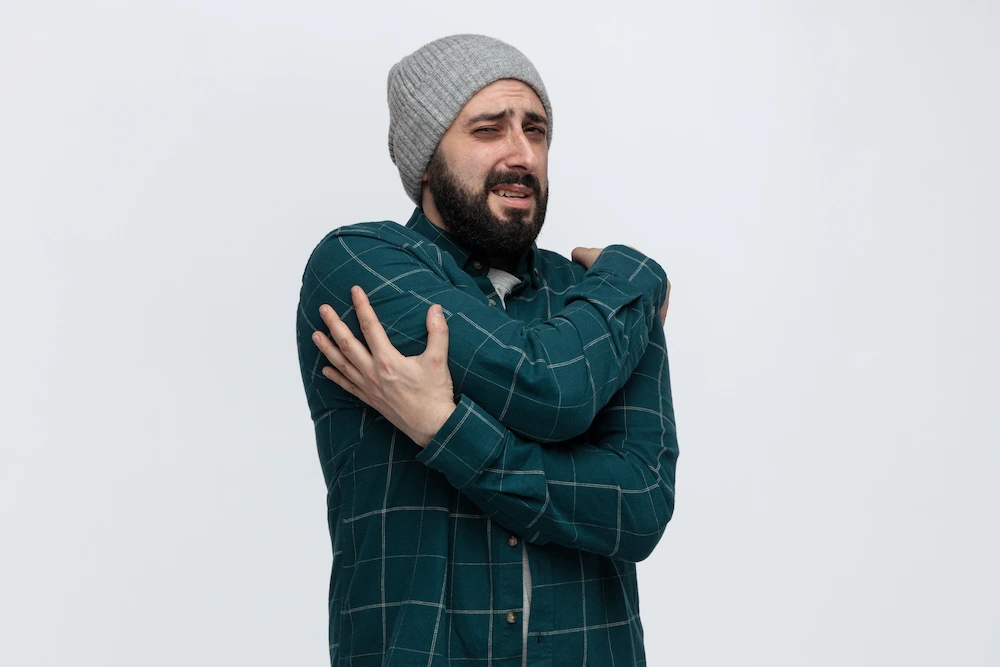
Many people notice their back and joints hurt more in winter. This isn’t coincidence or imagination. Several mechanisms explain the connection.
Barometric pressure drops before storms and cold fronts. This pressure change affects tissues differently than the air around you, creating relative expansion in inflamed areas.
Your body has more pressure inside than atmospheric pressure outside. When outside pressure drops, this difference increases. Inflamed tissues expand slightly, putting pressure on surrounding nerves.
Cold temperatures reduce blood flow to extremities and muscles. Less circulation means less oxygen and nutrient delivery. Tissues function less efficiently when cold.
Cold muscles are tighter and less flexible. This increased tone creates more stress on joints and reduces range of motion.
The Barometric Pressure Effect
Many Cedar Falls patients can predict weather changes based on their pain levels. When they start hurting more, they know a storm is coming.
This isn’t folk wisdom. It’s measurable physiological response.
Research confirms that dropping barometric pressure correlates with increased pain reports, particularly in people with arthritis or previous injuries.
The pressure change affects fluid-filled spaces in joints and around nerves. Synovial fluid in joints and cerebrospinal fluid respond to pressure changes.
While you can’t control the weather, understanding this connection helps you prepare. When forecasts show pressure drops, you can take preventive measures.
How Cold Affects Spinal Joints
Your spinal joints respond to cold temperatures just like your knees and hips.
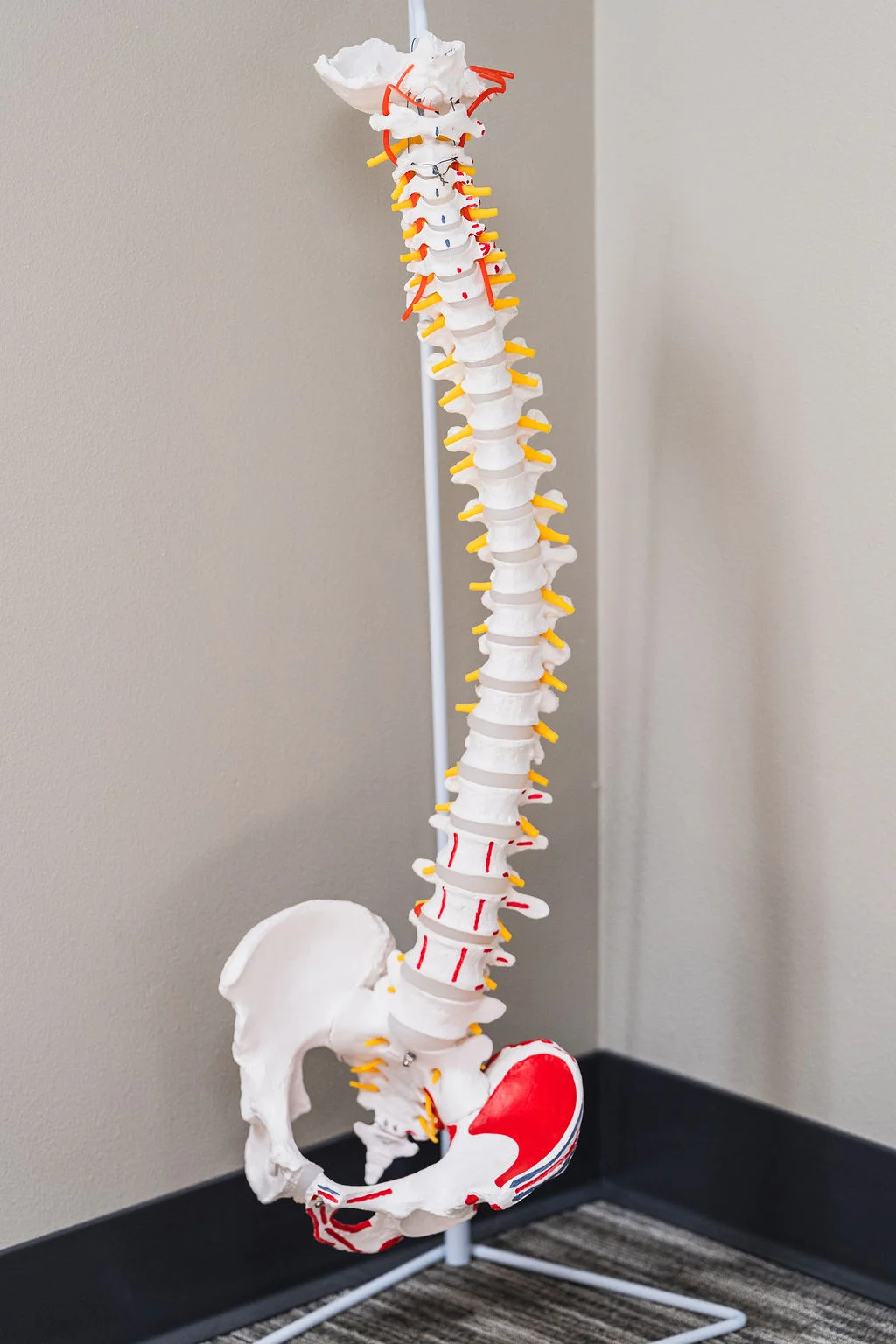
Facet joints between vertebrae have synovial fluid that becomes more viscous (thicker) in cold. This increased viscosity creates stiffness and reduced mobility.
Discs between vertebrae contain water. Cold affects disc hydration and flexibility. Stiffer discs don’t cushion movement as well.
Muscles along your spine tighten in response to cold. This protective response increases compression on joints.
The cumulative effect is increased stiffness, reduced range of motion, and more pain with movement during cold weather.
The Activity Reduction Problem
Cold Iowa winters naturally reduce outdoor activity. This inactivity worsens joint pain independently of temperature effects.
When you move less, joints stiffen. Movement lubricates joints by circulating synovial fluid. Without movement, fluid thickens and joints become creaky.
Muscles weaken with inactivity. Weak muscles provide less support for your spine and joints.
Weight gain from reduced activity and holiday eating increases load on weight-bearing joints.
The solution isn’t suffering through outdoor activity in subzero temperatures. It’s finding indoor movement options that maintain function through winter.
The Snow Shoveling Paradox
Many people are inactive all winter, then suddenly shovel heavy snow. This creates a perfect storm for injury.
Cold, stiff muscles and joints are asked to perform intense physical labor. Bending, twisting, and lifting heavy snow loads stresses your spine maximally.
Add icy footing that creates awkward positions and loss of balance, and you have one of the most common winter injury mechanisms.
Indoor Heating Effects
While outdoor cold is problematic, indoor heating creates its own issues.
Forced air heat dries the air significantly. This dehydration affects disc hydration and overall tissue function.
Dry, warm indoor air contrasts sharply with cold outdoor temperatures. These rapid temperature changes affect circulation and can trigger pain.
Sitting near heat vents or fireplaces creates uneven warming. One side of your body is hot while the other remains cold, creating muscular imbalances.
Using a humidifier, drinking adequate water, and avoiding positioning directly against heat sources all help.
How Chiropractic Care Helps Winter Pain
At our Cedar Falls practice, we see increased patient volume in winter months. Cold weather unmasks underlying spinal dysfunction.
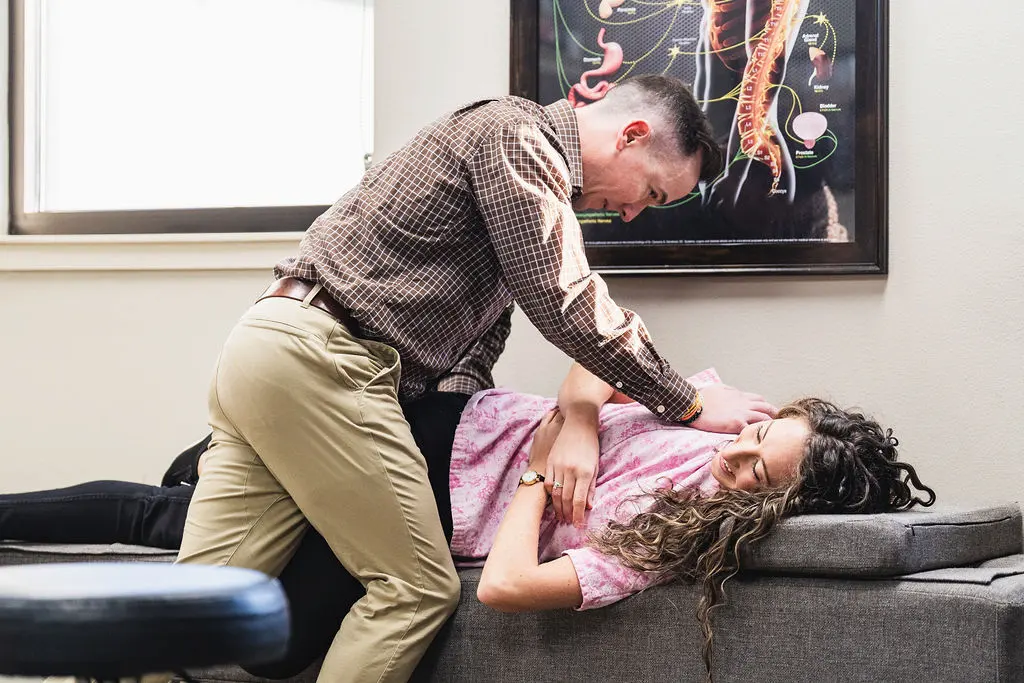
Regular chiropractic adjustments maintain joint mobility despite cold weather’s stiffening effects. Properly moving joints resist weather-related stiffness better than restricted joints.
Correcting misalignments reduces baseline inflammation. Lower inflammation levels mean less dramatic response to barometric pressure changes.
Adjustments improve circulation by removing nerve interference that affects blood vessel tone. Better circulation means tissues function better in cold.
Many patients increase visit frequency in winter, coming weekly instead of monthly for maintenance. This proactive approach prevents weather-related flare-ups.
Specific Problem Areas in Winter
Certain spinal areas are particularly vulnerable to winter weather effects.
Neck and Upper Back
Cold wind exposure and hunching against cold creates neck and upper back tension. Scarves and bundled clothing restrict movement and alter posture.
Lower Back
Slipping on ice, awkward movements to avoid falls, and the bracing patterns cold creates all stress the lumbar spine.
Sacroiliac Joints
The SI joints connecting your sacrum to your pelvis are particularly sensitive to barometric pressure changes. Many winter pain complaints center here.
Practical Winter Pain Prevention Strategies
Beyond chiropractic care, specific strategies help minimize winter pain.
Stay Active Indoors
Walk in malls or indoor tracks. Join a gym. Follow online exercise videos at home. The activity matters more than the setting.
Layer Properly
Keeping core temperature stable helps maintain muscle flexibility. Multiple layers trap heat better than single heavy coats.
Warm Up Before Going Outside
Do light movement indoors before venturing into cold. This increases circulation and prepares muscles for temperature change.
Take Warm Baths or Showers
Heat therapy improves circulation and reduces muscle tension. Regular warm water exposure helps counteract cold weather effects.
Maintain Hydration
Cold weather reduces thirst, but hydration remains critical for joint and disc health. Drink water consistently throughout winter.
Snow Shoveling Safety
Since snow removal is unavoidable in Cedar Falls winters, doing it safely is critical.
Warm up before shoveling. Do light stretching and movement inside before going out.
Use proper technique. Push snow when possible instead of lifting. When lifting, bend your knees and keep the load close to your body.
Take frequent breaks. Don’t try to clear everything in one session.
Consider a snow blower for heavy accumulations. The investment prevents many back injuries.
If you do injure yourself shoveling, get evaluated promptly. Early treatment prevents acute injuries from becoming chronic problems.
Vitamin D and Winter Pain
Reduced sun exposure in winter affects vitamin D levels. Low vitamin D correlates with increased pain sensitivity and muscle weakness.
Most Iowans have inadequate vitamin D during winter months. The sun angle doesn’t allow vitamin D production through skin from October through March.
Supplementation or increased dietary vitamin D helps some people with winter pain. Discuss appropriate dosing with your doctor.
This won’t eliminate winter pain, but addressing deficiency may reduce severity.
The Holiday Stress Factor
Winter overlaps with the holiday season, which brings its own stresses that affect pain levels.
Holiday stress increases muscle tension and sympathetic nervous system activation, both of which worsen pain.
Disrupted routines affect sleep, exercise, and eating habits. These changes impact overall pain levels.
Financial pressure and family dynamics create emotional stress that manifests physically.
While chiropractic care can’t eliminate holiday stress, it addresses the physical manifestations and helps maintain function during difficult seasons.
When Winter Pain Signals Serious Problems
Most winter pain increase is normal response to weather changes. But certain symptoms require medical evaluation.
Pain that’s dramatically worse than previous winters might indicate progression of underlying conditions like arthritis or disc degeneration.
New neurological symptoms like numbness, weakness, or coordination problems need evaluation regardless of weather.
Chest pain that worsens in cold could be cardiac rather than musculoskeletal.
We screen for warning signs during winter appointments and refer appropriately when needed.
Preparing for Winter Before It Arrives
The best time to address winter pain is before winter starts.
Fall appointments to correct existing misalignments mean you enter winter with optimal function.
Building up exercise tolerance while weather is still pleasant creates fitness reserves for winter.
Addressing footwear needs before ice and snow arrive prevents slipping injuries.
Stock up on supplies for home snow removal so you’re not caught unprepared by first significant snowfall.
Spring Recovery Period
When spring arrives, many people expect immediate pain relief. Often, symptoms persist into early spring.
Your body has adapted to winter. Tissues have been chronically tight and restricted for months. Recovery takes time.
Additionally, spring yard work and increased activity after winter sedentary periods create new injury risks.
Maintaining chiropractic care through the spring transition helps your body readapt to warmer weather and increased activity safely.
The Long-Term Perspective on Seasonal Pain
If winter pain is an annual pattern for you, addressing the underlying spinal dysfunction prevents it from worsening each year.
Each winter’s inflammation and restricted movement leaves cumulative damage. What was mildly uncomfortable five years ago becomes severely limiting now.
Proactive chiropractic care breaks this progression. Maintaining good function year-round means each winter starts from a better baseline.
Indoor Exercise Options for Cedar Falls Winters
Staying active through Iowa winters requires planning. Several local options help.
The Cedar Falls Wellness Center provides indoor walking track and exercise facilities.
Many churches and schools open gymnasiums for community walking programs.
Home exercise following online videos requires no special facilities.
Even mall walking at Cedar Falls Crossings provides movement and social connection.
The key is consistency. Find something you’ll actually do regularly throughout winter.
Don’t Accept Winter Pain as Inevitable
Many Cedar Falls residents accept that they’ll hurt more in winter. While weather affects pain, suffering isn’t mandatory.
The spinal dysfunction that becomes more symptomatic in cold weather exists year-round. Correcting it reduces winter pain significantly.
Combined with smart cold-weather strategies, chiropractic care helps you maintain function and comfort through Iowa’s harshest months.
If winter consistently worsens your back or joint pain, schedule a consultation at Wayson Family Chiropractic or call 319-266-1119. Let’s prepare your spine for winter before the next cold front arrives.