
Stress and emotional tension create real physical back pain through muscle guarding, restricted breathing, chronic sympathetic nervous system activation, and sustained poor posture that leads to actual spinal misalignments requiring correction. Gonstead chiropractic care in Cedar Falls addresses both the structural dysfunction stress creates (vertebral misalignment, muscle spasm, restricted joints) and helps calm the nervous system dysregulation that perpetuates the pain cycle. Saying back pain is “just stress” dismisses real structural problems, while ignoring the stress component misses a critical factor in chronic pain.
How Stress Creates Physical Back Pain
The connection between stress and back pain isn’t imaginary. Emotional stress creates measurable physical changes that cause real structural problems.
Chronic stress keeps your sympathetic nervous system activated. This “fight or flight” response increases muscle tension throughout your body, particularly in your neck, shoulders, and upper back.
This isn’t voluntary tension you can simply relax away. It’s neurologically driven protective guarding that persists as long as your nervous system perceives threat or stress.
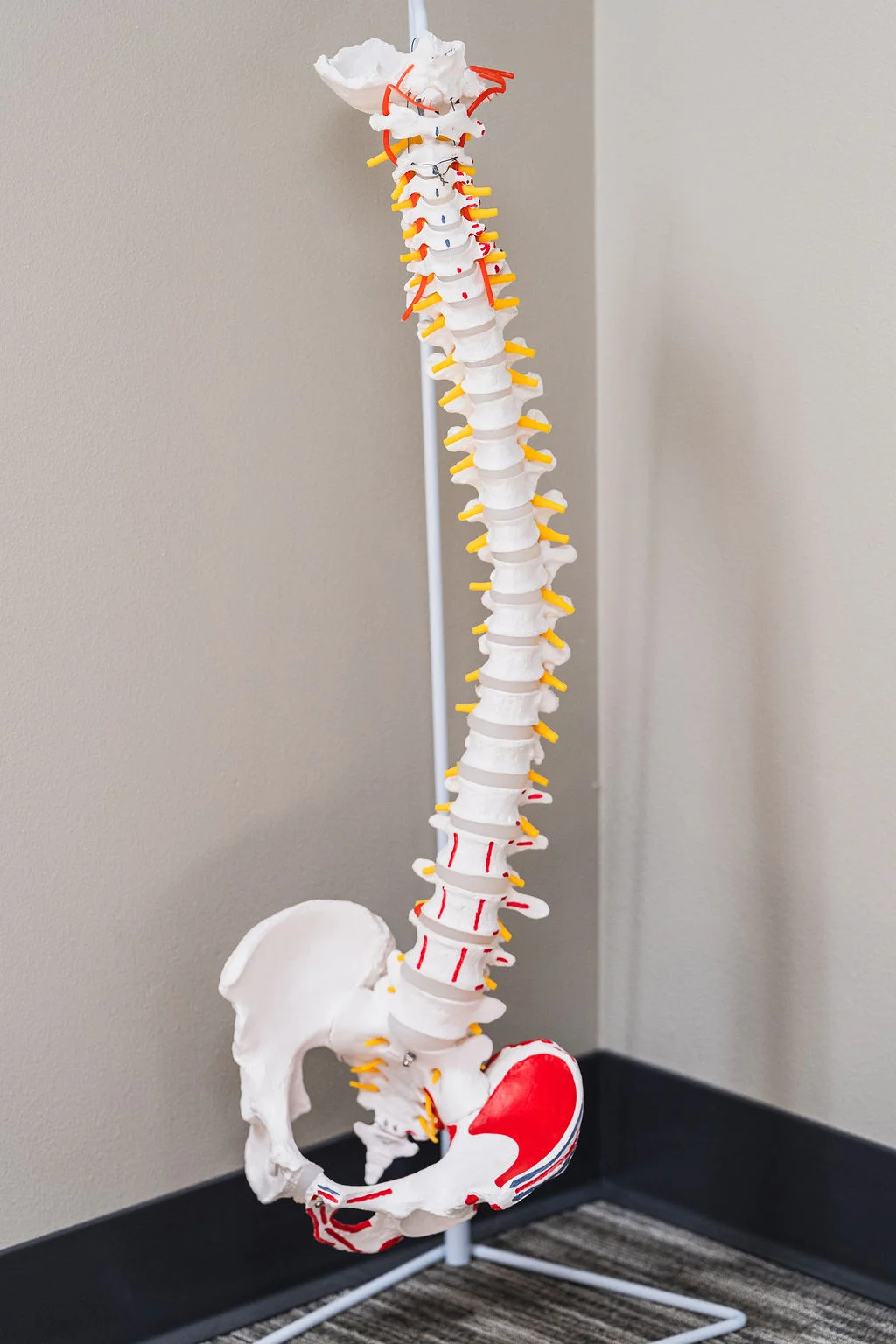
Over time, this sustained muscle tension pulls on vertebrae, restricting movement and creating misalignments. What started as emotional stress becomes structural dysfunction requiring physical correction.
The Shoulder-Neck-Upper Back Triangle
Stress-related back pain follows predictable patterns. The most common is the shoulder-neck-upper back area.
Your trapezius muscles, which run from your neck to your shoulders, are particularly stress-responsive. These muscles tighten and elevate when stressed.
Sustained trapezius tension pulls your shoulders up toward your ears. This creates upper back strain, neck stiffness, and tension headaches.
The thoracic spine (upper and mid-back) becomes restricted. Ribs don’t move properly with breathing. Vertebrae misalign from the constant muscular pull.
The Breathing-Back Pain Connection
Stress changes how you breathe, which affects your spine more than most people realize.
Stressed breathing is shallow and chest-focused rather than deep and diaphragmatic. This overuses accessory breathing muscles in your neck and upper back.
These muscles aren’t designed for constant use. When pressed into service as primary breathing muscles, they fatigue and develop trigger points.
Restricted thoracic spine movement limits rib expansion. This creates a feedback loop: stress restricts breathing mechanics, which increases perceived stress, which further restricts breathing.
Proper thoracic adjustment and rib mobilization helps break this cycle by restoring normal breathing mechanics.
Why Stress Targets Specific Areas
Different people hold stress tension in different areas. Understanding your pattern helps address it.
The Jaw Clenchers
Some people respond to stress by clenching their jaw. This creates TMJ problems and refers pain into the neck and upper back.
The Shoulder Elevators
Others unconsciously hike their shoulders up. This constant elevation creates upper trapezius strain and thoracic spine dysfunction.
The Forward Folders
Some collapse forward under stress, rounding their shoulders and upper back. This posture becomes structural over time.
The Back Braces
Others tighten their entire back, creating rigidity through the thoracic and lumbar spine.
Identifying your pattern helps target treatment and develop awareness for change.
The Chronic Pain-Stress Cycle
Stress causes pain. But pain also creates stress, forming a self-perpetuating cycle.
Back pain is stressful. It affects your ability to work, enjoy activities, and sleep. This stress worsens the physical tension and nervous system dysregulation.
Chronic pain creates learned guarding patterns. Your brain anticipates pain and tightens muscles protectively even when not necessary.
Breaking this cycle requires addressing both components: the physical dysfunction through chiropractic care and the stress response through nervous system regulation.
How Gonstead Adjustments Help Stress-Related Pain
At Wayson Family Chiropractic in Cedar Falls, we see many patients whose back pain has significant stress components.
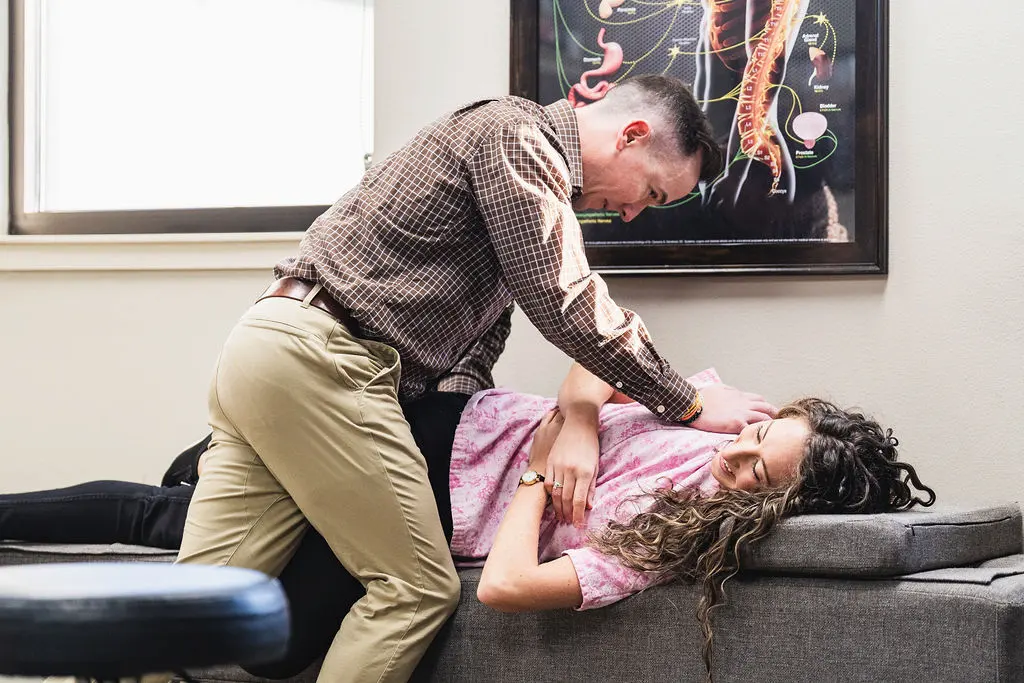
Adjustments correct the actual misalignments stress has created. This isn’t just relaxation. These are real structural problems requiring specific correction.
Thoracic adjustments improve rib mechanics and breathing capacity. Many patients report feeling like they can breathe more deeply immediately after thoracic correction.
Upper cervical adjustments affect the autonomic nervous system. Proper alignment here helps shift from sympathetic (stress) to parasympathetic (rest and digest) dominance.
Regular care prevents stress-related tension from accumulating into significant dysfunction. Addressing small problems before they become major issues is easier and more effective.
The Nervous System Reset Effect
Many patients describe feeling calmer after adjustments, even when they came in only for physical pain.
This isn’t placebo. Proper spinal alignment affects nervous system function directly.
The parasympathetic nervous system, which promotes relaxation and healing, connects heavily through the upper cervical spine and sacrum.
Correcting dysfunction in these areas helps restore balance between sympathetic and parasympathetic tone.
This doesn’t cure stress or anxiety disorders. But it helps your nervous system respond more appropriately to actual stressors rather than remaining in constant high alert.
When “Just Stress” Becomes Real Injury
Some people dismiss their back pain as “just stress” and think it doesn’t need treatment. This is dangerous thinking.
Even if stress initiated the problem, the resulting muscle spasm, restricted movement, and vertebral misalignment are real physical problems.
Ignoring these because they started with stress allows structural damage to progress.
You wouldn’t ignore a stress headache that persists for weeks. The same principle applies to stress-related back pain that becomes chronic.
Stress Management Strategies That Support Spinal Health
Chiropractic care addresses the physical component. But stress management supports long-term improvement.
Diaphragmatic Breathing
Practice belly breathing for 5 minutes daily. This activates the parasympathetic nervous system and reduces upper back tension.
Regular Movement
Exercise burns stress hormones and releases tension. Even walking helps significantly.
Sleep Hygiene
Quality sleep helps nervous system regulation. Poor sleep worsens both stress and pain.
Mindfulness Practices
Meditation, yoga, or simple awareness of muscle tension helps break unconscious guarding patterns.
Setting Boundaries
Sometimes reducing stress requires life changes: saying no more often, delegating tasks, or changing situations causing chronic stress.
The Role of Work Stress
Work-related stress is a common contributor to back pain in Cedar Falls office workers and professionals.
Job demands, difficult relationships with colleagues, financial pressure, and lack of control over work conditions all create chronic stress.
This stress manifests physically in your upper back and shoulders. Monday morning back pain that improves over weekends often has significant stress components.
While chiropractic care helps manage the physical toll, addressing workplace stressors when possible is important for long-term resolution.
Acute Stress vs. Chronic Stress Effects
Acute stress responses are normal and healthy. Your body tenses in response to immediate threats, then relaxes when the threat passes.
Chronic stress keeps you in that tense state continuously. Your body never gets the signal to relax.
This sustained activation creates cumulative damage. Muscles that should alternate between tension and relaxation stay contracted.
The longer stress continues, the more ingrained the physical patterns become. Early intervention prevents temporary stress responses from becoming permanent dysfunction.
Why Some People Develop Pain and Others Don’t
Not everyone experiencing stress develops back pain. Several factors determine who does.
Pre-existing spinal dysfunction makes you more vulnerable. Stress exacerbates underlying problems.
Poor stress coping mechanisms increase physical manifestations. People who internalize stress tend to develop more physical symptoms.
Genetic factors affect pain sensitivity and stress response.
Lack of physical activity and poor posture habits compound stress effects.
Understanding your vulnerability helps target prevention efforts.
The Difference Between Muscle Tension and Spinal Dysfunction
Some healthcare providers see stress-related back pain and prescribe muscle relaxants or massage, assuming it’s purely muscular.
While muscle tension is present, it’s often secondary to spinal dysfunction. The muscles are tense because they’re protecting misaligned vertebrae.
Treating only the muscles provides temporary relief. The tension returns because the underlying spinal problem remains.
Effective treatment addresses both: chiropractic adjustments correct the spinal dysfunction while the nervous system calms and muscles can finally relax.
Anxiety Disorders and Chronic Back Pain
Clinical anxiety disorders strongly correlate with chronic pain conditions including back pain.
Generalized anxiety disorder, panic disorder, and PTSD all create sustained sympathetic activation that increases muscle tension and pain sensitivity.
If you have diagnosed anxiety, chiropractic care helps manage the physical effects but doesn’t treat the anxiety disorder itself.
Coordination with mental health providers creates the best outcomes. Address both the psychological and physical components.
The Posture-Mood Connection
The relationship between posture and mood works in both directions.
Stress creates collapsed, protective postures. But research also shows that posture affects mood. Upright, open postures improve mood and confidence.
Correcting spinal alignment that allows better posture may have mood benefits beyond just physical comfort.
This isn’t suggesting chiropractic cures depression or anxiety. But improving physical function and reducing pain has positive effects on overall wellbeing.
When to Seek Additional Mental Health Support
If stress or anxiety significantly impacts your daily life, professional mental health support is appropriate.
Persistent depression, anxiety that interferes with function, or thoughts of self-harm all require evaluation by mental health professionals.
Chiropractic care addresses the physical manifestations of stress. Therapy, counseling, or psychiatric care addresses the psychological components.
Both are valid and often work together better than either alone.
Recognizing Stress Patterns in Your Body
Developing awareness of how stress affects your body helps you intervene earlier.
Notice when your shoulders creep up toward your ears. Catch yourself clenching your jaw. Feel when your breathing becomes shallow.
These awareness moments allow conscious relaxation before tension accumulates into dysfunction.
Body scan meditations help develop this awareness. Take brief moments throughout the day to check in with physical tension.
The Cedar Falls Perspective on Stress and Health
Cedar Falls and Waterloo residents face common stressors: work pressures, family demands, financial concerns, and seasonal factors.
Winter months bring additional stress from cold, limited daylight, and seasonal affective patterns.
Agricultural community stresses during planting and harvest affect many families.
Understanding these patterns helps recognize when stress might be affecting your physical health.
Breaking the Stress-Pain Cycle
If stress is contributing to your back pain, you don’t have to accept it as permanent.
The physical dysfunction stress creates is correctable. The nervous system dysregulation improves with proper spinal care.
Combining chiropractic adjustments with stress management creates lasting results rather than temporary relief.
Your back pain might have emotional components, but the structural problems are real and need real solutions.
Schedule a consultation at Wayson Family Chiropractic or call 319-266-1119 to address the physical toll stress is taking on your spine. Let’s break the stress-pain cycle together.