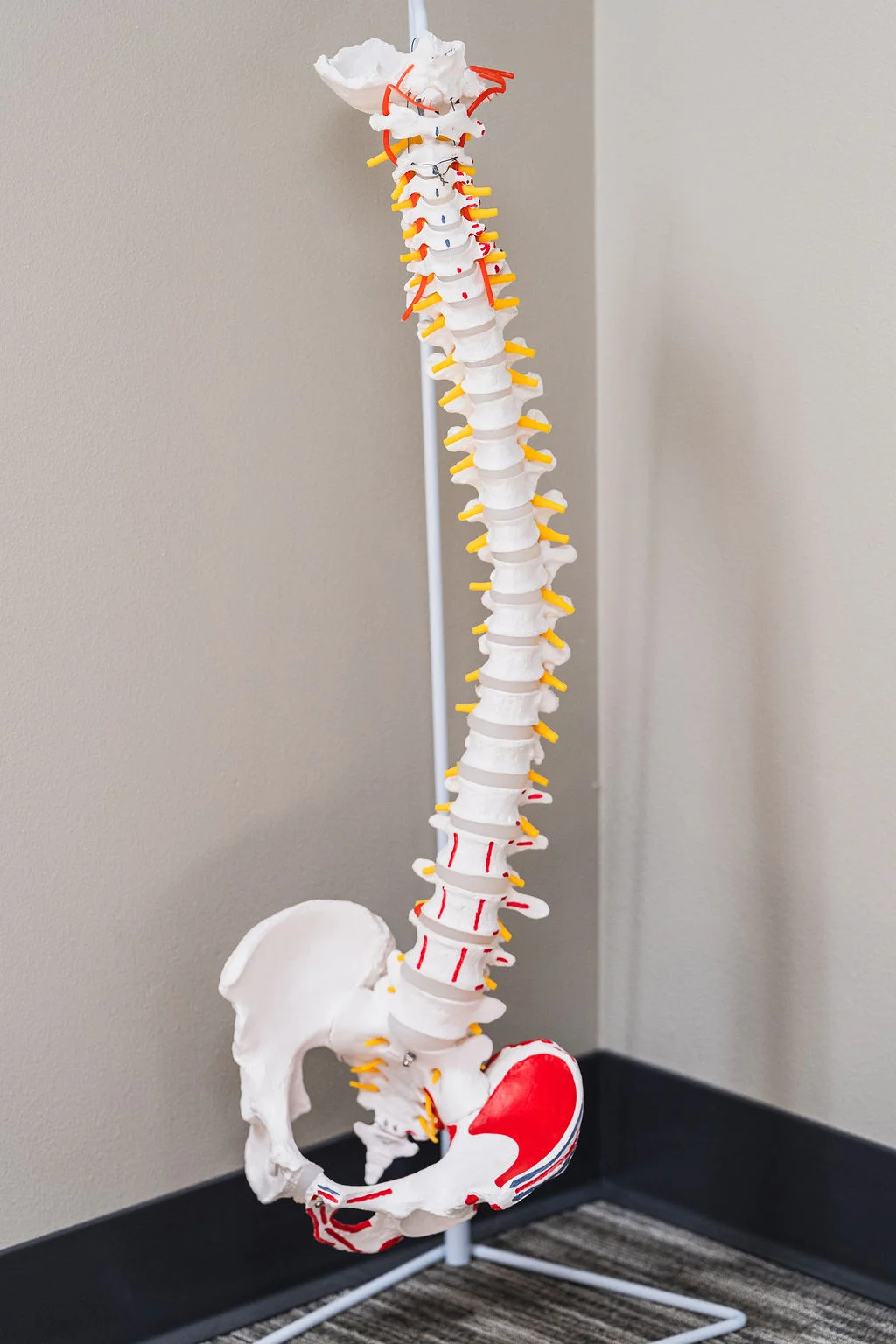

Whiplash recovery requires addressing the cervical spine misalignments created by the rapid back-and-forth neck motion during car accidents, not just waiting for pain to subside. Gonstead chiropractic in Cedar Falls identifies and corrects the specific vertebral displacements caused by whiplash forces, preventing the acute injury from becoming chronic neck pain, headaches, and reduced mobility. Most whiplash victims who rely only on pain medication and rest develop long-term problems because the underlying spinal damage never gets corrected.
What Actually Happens During Whiplash
Whiplash occurs when your head snaps backward then forward in rapid succession. This happens most commonly in rear-end collisions but can occur in any accident involving sudden acceleration or deceleration.
The forces involved are significant. Even low-speed impacts create whiplash because your head weighs 10-12 pounds and sits on a relatively narrow neck. When your car stops suddenly, your body stops with it. But your head keeps moving.
First, your head snaps backward (hyperextension). This strains the muscles and ligaments in the front of your neck and compresses structures in the back.
Then, as your head rebounds forward (hyperflexion), the back of your neck stretches and the front compresses. These opposing forces happen within fractions of a second.
The result is damage to soft tissues, muscle strain, and most importantly, misalignment of cervical vertebrae. The small joints in your neck aren’t designed to handle these extreme ranges of motion.
Why Symptoms Often Delay After Accidents
Many people feel fine immediately after an accident. Adrenaline masks pain and injury during the acute stress response.
Symptoms typically appear 24-48 hours later. You wake up the next morning with a stiff neck, headache, and shoulder pain. This delay causes many people to underestimate their injury.
The delayed onset happens because inflammation takes time to develop. Damaged tissues swell. Muscle spasm sets in as your body tries to protect injured areas. Misaligned vertebrae create nerve interference that produces symptoms gradually.
Don’t assume you’re fine just because you feel okay at the accident scene. Whiplash symptoms almost always appear later.
Common Whiplash Symptoms
Whiplash creates a consistent pattern of symptoms, though severity varies based on impact force and individual factors.
Neck Pain and Stiffness
This is the primary symptom. Your neck hurts and feels tight. Range of motion reduces significantly. Turning your head to check blind spots while driving becomes difficult or impossible.
Headaches
Whiplash headaches typically start at the base of the skull and radiate forward. These cervicogenic headaches come from upper cervical misalignment and muscle tension.
Shoulder and Upper Back Pain
The forces that injure your neck also affect your shoulders and upper back. You might feel pain between your shoulder blades or in your trapezius muscles.
Reduced Range of Motion
You can’t turn your head fully to either side. Looking up or down creates pain. Your neck feels locked in a protective position.
Dizziness and Vertigo
Upper cervical injuries can affect balance centers. Some whiplash patients experience dizziness, particularly when moving their head.
Arm Numbness or Tingling
If whiplash forces compress nerves in your neck, you might feel numbness, tingling, or weakness in your arms or hands.
Fatigue and Sleep Disturbance
Pain interferes with sleep. Your body is also working hard to heal, which creates fatigue beyond normal tiredness.
The Danger of the “Wait and See” Approach
Many accident victims are told to rest, ice their neck, and take pain medication. “Give it a few weeks and see how you feel.”
This approach creates long-term problems. Here’s why.
Pain medication masks symptoms without correcting the cervical misalignments causing them. Once medication wears off, pain returns because the structural problem remains.
Rest doesn’t realign vertebrae. Your body might reduce inflammation with time, but misaligned joints stay misaligned.
The longer vertebrae remain misaligned, the more your body adapts to the dysfunction. Muscles develop imbalances. Adjacent segments compensate. What starts as an injury to C4-C5 spreads throughout your cervical spine.
Six months later, you have chronic neck pain, recurring headaches, and reduced quality of life. All because the acute injury wasn’t properly treated.
Statistics on Chronic Whiplash
Research shows that up to 50% of whiplash victims develop chronic symptoms lasting beyond six months. Many deal with neck pain for years.
The difference between people who recover fully and those who develop chronic problems often comes down to whether they received proper treatment for the spinal misalignments.
How Gonstead Chiropractic Treats Whiplash
Whiplash treatment at Wayson Family Chiropractic focuses on identifying and correcting the specific cervical misalignments created by accident forces.
Your case history includes accident details: what type of collision, impact speed, head position at impact, and when symptoms appeared. These details help us understand injury mechanisms.
Physical examination includes careful assessment of neck range of motion, muscle spasm patterns, and neurological function. We test for nerve compression and spinal cord involvement.
Cervical X-rays are essential for whiplash cases. We need to see the structural damage: vertebral alignment, disc spacing, and any fractures or serious pathology that requires medical referral.
The Nervoscope detects areas of nerve interference from misaligned vertebrae. Palpation reveals which joints are fixated and which muscles are in protective spasm.
This comprehensive analysis tells us exactly which vertebrae were displaced by the whiplash forces and in what direction.
Specific Adjustments for Whiplash Injuries
Whiplash creates particular misalignment patterns that require specific correction approaches.
Upper cervical adjustments (C1-C2) are common in whiplash cases. The atlas and axis vertebrae are particularly vulnerable to displacement from hyperextension forces.
These adjustments are gentle and precise. We don’t use the same force on acute whiplash injuries as we would for chronic misalignments. The tissues are inflamed and sensitive.
Lower cervical segments (C5-C7) also frequently misalign during whiplash. These adjustments restore proper alignment and take pressure off compressed nerves.
The goal isn’t immediate pain relief, though many patients feel better quickly. The goal is structural correction that prevents chronic problems.
Treatment Timeline for Whiplash Recovery
Whiplash recovery timelines vary based on impact severity, how quickly treatment begins, and individual healing rates.
Mild whiplash from low-speed impacts might resolve in 2-4 weeks with proper chiropractic care. Moderate whiplash typically requires 4-8 weeks. Severe whiplash can take several months.
Early treatment dramatically improves outcomes. Starting chiropractic care within the first week after injury prevents compensation patterns from developing.
Treatment frequency is higher initially. You might need adjustments 2-3 times per week for the first few weeks as we work to stabilize the corrected alignment.
As symptoms improve and alignment stabilizes, visit frequency reduces. Eventually, you transition to periodic maintenance or discharge from care.
Why Some Whiplash Cases Don’t Improve
If you’ve had whiplash treatment elsewhere without good results, here are common reasons for treatment failure.
Only Treating Symptoms
Muscle relaxants, pain medication, and even massage all address symptoms. They don’t correct vertebral misalignment, so symptoms return.
General Adjustments Without Analysis
Some chiropractors adjust the entire cervical spine without identifying which specific vertebrae were injured. This approach doesn’t target the actual problem.
Starting Treatment Too Late
Waiting months to begin care allows compensation patterns to develop. Treatment becomes more complex and takes longer.
Incomplete Treatment Course
Feeling better doesn’t mean full correction. Many people stop care when pain reduces, before the underlying problem is fully resolved. Symptoms often return later.
Insurance Coverage for Whiplash Treatment
Auto insurance typically covers chiropractic care for accident injuries. Cedar Falls and Waterloo residents should understand their coverage options.
Personal Injury Protection (PIP) or Medical Payments (MedPay) coverage pays for treatment regardless of who caused the accident. This allows you to begin care immediately.
If the other driver was at fault, their liability insurance should cover your treatment. We can provide documentation for your claim.
Wayson Family Chiropractic works with insurance companies regularly on auto injury cases. We can help you understand your coverage and handle necessary paperwork.
Don’t let insurance concerns delay treatment. The longer you wait, the worse outcomes typically become.
Documentation Matters in Auto Injury Cases
Proper documentation is critical for insurance claims and potential legal cases.
Seek evaluation promptly after your accident, ideally within 72 hours. Delays create questions about whether your injury was actually caused by the accident.
Follow your treatment plan consistently. Gaps in care suggest your injury wasn’t serious or has healed.
We provide detailed documentation of your condition, treatment, and progress. This information supports your insurance claim and demonstrates the relationship between the accident and your injuries.
What Not to Do After Whiplash
Certain actions worsen whiplash injuries or complicate recovery.
Don’t ignore symptoms hoping they’ll disappear. Early treatment prevents chronic problems.
Don’t rely solely on pain medication. These mask symptoms without addressing the structural damage.
Don’t return to normal activities too quickly. Your neck needs time to heal and stabilize after correction.
Don’t sign insurance settlements before completing treatment. You can’t predict final recovery until treatment is complete. Settling early often leaves you responsible for ongoing care costs.
Long-Term Consequences of Untreated Whiplash
Whiplash that doesn’t receive proper treatment often leads to chronic conditions.
Degenerative disc disease progresses faster in injured segments. The initial trauma starts a cascade of degeneration.
Chronic headaches develop from persistent upper cervical misalignment. Many people don’t connect their headaches to an old accident.
Reduced neck mobility becomes permanent. Scar tissue forms around misaligned joints, limiting function.
Arthritis develops earlier in affected joints. The abnormal wear pattern from misalignment accelerates joint degeneration.
These long-term consequences are largely preventable with proper early treatment.
Whiplash in Low-Speed Collisions
Many people assume low-speed accidents can’t cause significant injury. This is dangerously wrong.
Whiplash can occur in collisions as slow as 5-10 mph. Vehicle damage doesn’t correlate with injury severity. Your car’s bumper might be fine while your neck is seriously injured.
In fact, modern cars with crumple zones and bumpers that absorb impact can transfer more force to occupants in low-speed crashes.
Don’t dismiss your injury because the accident “wasn’t that bad.” Get evaluated regardless of impact speed or vehicle damage.
Preventing Chronic Pain After Accidents
The key to preventing chronic whiplash pain is addressing the injury properly from the start.
Seek chiropractic evaluation within days of your accident, even if symptoms are mild. Early correction prevents compensation patterns.
Follow your treatment plan completely. Don’t stop care when pain reduces. Continue until structural correction is achieved.
Address ergonomic factors during recovery. Proper pillow support and avoiding positions that stress your neck support healing.
Consider periodic maintenance care after initial recovery. This catches developing problems before they become significant.
Why Cedar Falls Accident Victims Choose Gonstead
Whiplash victims throughout Cedar Falls and Waterloo choose our practice because we take time to properly diagnose and correct the specific injuries created by their accident.
You’ll see your X-rays and understand exactly which vertebrae were damaged and how we’ll correct them. This education helps you participate actively in your recovery.
Our treatment is specific to your injury pattern, not a general approach applied to everyone with neck pain.
We also understand the insurance and documentation requirements for auto injury cases. We make the process as smooth as possible during an already stressful time.
Don’t Wait to Address Whiplash Injuries
If you’ve been in a car accident, even a minor one, get evaluated promptly. What seems like mild soreness today can become chronic pain if the spinal damage isn’t corrected.
Whiplash injuries don’t heal themselves. The vertebral misalignments need specific correction to prevent long-term problems.
The difference between full recovery and chronic pain often comes down to whether you received proper care in the first few weeks after injury.
If you’ve been in an accident in Cedar Falls or Waterloo, schedule an evaluation at Wayson Family Chiropractic or call 319-266-1119. We’ll help you recover properly and prevent chronic complications from whiplash.