
Text neck is creating an epidemic of cervical spine problems in Cedar Falls teenagers who spend hours daily looking down at phones, causing forward head posture that adds 40-60 pounds of abnormal stress on developing necks. What previous generations didn’t experience until middle age, today’s teens develop in their early twenties: disc degeneration, loss of cervical curve, chronic headaches, and permanent postural changes from smartphone use. Gonstead chiropractic can correct text neck damage in teenagers before structural changes become permanent, but early intervention is critical during these developmental years.
Understanding the Text Neck Problem
Your head weighs 10-12 pounds in neutral position. When you tilt your head forward to look at a phone, effective weight increases dramatically.
At 15 degrees forward tilt, your neck supports about 27 pounds. At 30 degrees, you’re at 40 pounds. At 60 degrees (common phone viewing angle), your neck carries 60 pounds.
Now consider how many hours per day teenagers spend in this position. Studies show teens average 7-9 hours daily on smartphones and devices.
That’s potentially 60 pounds of abnormal stress for thousands of hours per year during critical developmental stages. The cumulative effect is staggering.
Why Teens Are Particularly Vulnerable
Text neck affects everyone, but teenagers face unique risks.
Their spines are still developing. Growth plates haven’t completely fused. The structural patterns established during teen years often persist for life.
Teenagers lack the varied movement adults have. Adults drive, work at different tasks, and generally vary their postures throughout the day. Teens go from sitting at school desks to sitting at home on devices.
Recovery capacity is high in teenagers, but so is the damage rate. Their young tissues adapt quickly to stress, including adapting to dysfunctional positions.
Social pressure intensifies the problem. Teens feel compelled to stay constantly connected. Taking breaks from devices feels socially isolating.
The Progression of Text Neck Damage
Text neck damage follows a predictable pattern over months and years.
Stage 1: Muscle Fatigue and Soreness
Early symptoms include neck and upper back soreness, particularly at the base of the skull. This is muscle fatigue from holding the head in forward position.
At this stage, damage is reversible. Correcting posture and addressing early misalignments prevents progression.
Stage 2: Postural Adaptation
The body adapts to sustained forward head position. The natural cervical curve (lordosis) begins reducing. Shoulders round forward. Upper back curves excessively (kyphosis).
These postural changes become the new “normal” for the teenager’s body.
Stage 3: Structural Changes
Long-term abnormal loading creates structural damage. Cervical discs begin degenerating. Vertebrae show early arthritic changes. Ligaments stretch and lose their supportive function.
What used to appear in 40-50 year olds now shows up in X-rays of 20-somethings.
Stage 4: Chronic Dysfunction
Years of text neck create permanent problems. Chronic pain, limited mobility, early disc degeneration, and significantly reduced neck curve all result from uncorrected smartphone posture.
Symptoms Parents Should Watch For
Cedar Falls parents need to recognize warning signs of text neck in their teenagers.
Frequent Neck and Shoulder Pain
Teens complaining about neck stiffness or shoulder tension aren’t just being dramatic. This indicates real structural stress.
Headaches
Tension headaches starting at the skull base and radiating forward are common in text neck sufferers.
Poor Posture
Obvious forward head position and rounded shoulders when standing or walking signal postural adaptation to phone use.
Reduced Neck Mobility
Difficulty turning head fully to check blind spots while driving or looking over shoulder indicates restricted cervical function.
Upper Back Pain Between Shoulder Blades
This area takes significant stress from the forward head position as muscles work to hold the head up.
Fatigue
Chronic muscle tension from poor posture creates surprising fatigue. Teens might seem tired all the time.
How Gonstead Chiropractic Corrects Text Neck
At Wayson Family Chiropractic, we see increasing numbers of teenagers with text neck problems.
Evaluation includes postural analysis measuring forward head position in degrees. We document the severity objectively.
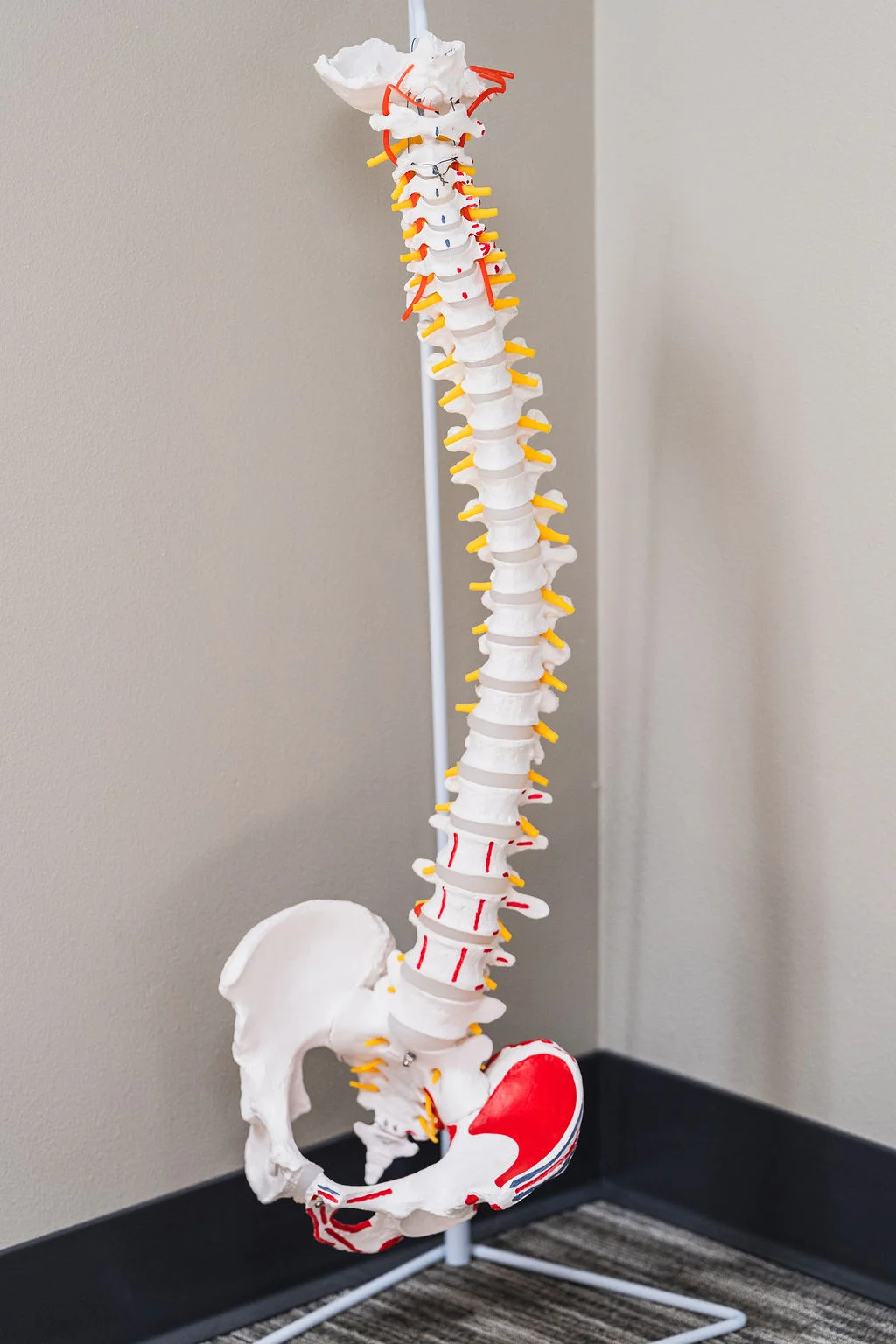
Cervical X-rays show the structural damage. Loss of neck curve, early disc degeneration, and vertebral misalignment all appear clearly.
Many parents are shocked when they see their 16-year-old’s X-rays showing changes typically found in middle-aged adults.
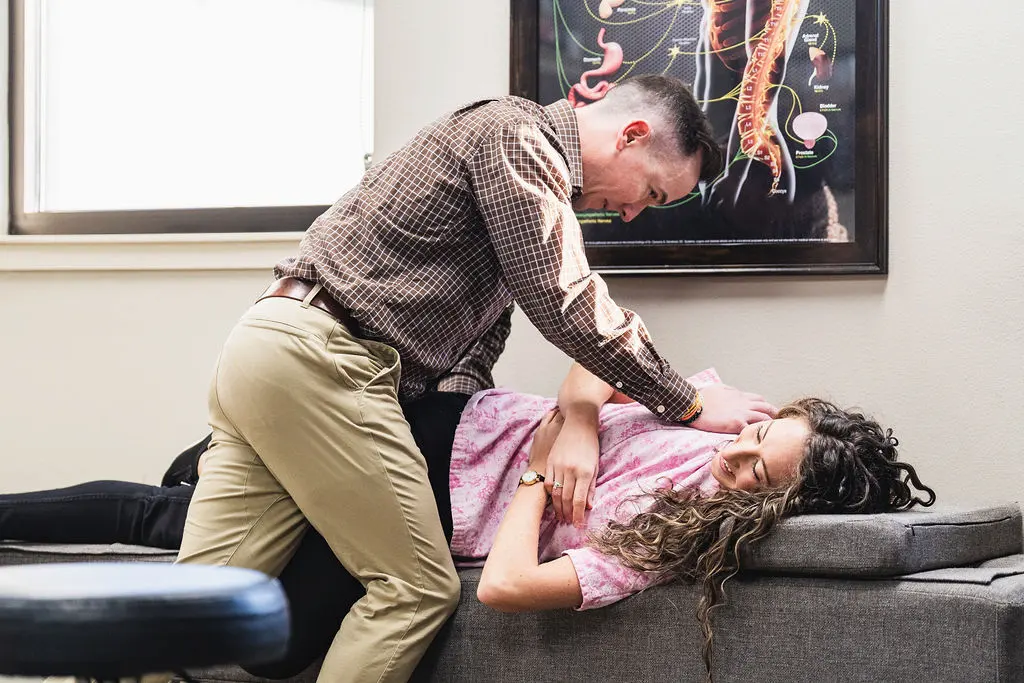
Adjustments focus on restoring proper cervical alignment and rebuilding the neck curve. This isn’t a quick fix. Years of abnormal posture require consistent corrective care.
We also educate teenagers about proper phone use. They need to understand how their habits created the problem and what changes prevent recurrence.
The Proper Way to Use Phones and Devices
Teaching teenagers correct device posture is essential for preventing and correcting text neck.
Hold Devices at Eye Level
The screen should be at eye height, not down in your lap. This keeps your head in neutral position.
Take Frequent Breaks
Every 15-20 minutes, put the phone down and move your neck through its full range of motion. Look up, turn side to side, roll your shoulders.
Use Voice Commands
Dictation and voice commands reduce the need to look down at the screen for typing.
Limit Total Screen Time
This is the hardest recommendation for teens to follow. But reducing overall phone time is the most effective prevention.
Alternate Positions
Don’t stay in one position for hours. Vary how you hold the phone and where you sit or stand.
The Social Media Pressure Factor
One reason text neck is worse in teenagers than previous generations had with books is the constant, compulsive nature of smartphone use.
Books were read for limited periods then put down. Phones are checked dozens of times per hour. The sustained, repeated forward flexion is worse than occasional reading.
Social media creates anxiety about missing out. Teens feel they must constantly check for updates, messages, and notifications.
This behavioral component makes text neck harder to address. It’s not just about posture education. It’s about changing addictive technology habits.
School Desk Posture Compounds the Problem
Text neck doesn’t happen in isolation. Most Cedar Falls teens spend 6-7 hours daily at school desks with poor posture.
Sitting hunched over desks creates the same forward head position as phone use. Then they go home and spend more hours on devices.
The cumulative effect is 12-14 hours daily in forward flexed positions. No wonder their necks hurt.
Parents can’t control school desk ergonomics entirely, but awareness helps. Encouraging better sitting posture and movement breaks at school supports chiropractic care.
Why Waiting Until Adulthood Is a Mistake
Some parents think teenagers will “grow out of it” or that chiropractic care can wait until they’re older. Both assumptions are wrong.
Structural changes occurring during developmental years become permanent. The cervical curve lost during teenage years doesn’t spontaneously return in adulthood.
Disc degeneration beginning in the teens progresses through the twenties and thirties. Starting care at 30 means dealing with 10-15 years of accumulated damage.
Correcting problems during teenage years, while spines are still developing, produces better outcomes than trying to fix established adult dysfunction.
Exercises That Help Text Neck
Specific exercises support chiropractic correction of text neck.
Chin Tucks
Pull your chin straight back, creating a double chin. Hold 5 seconds. This strengthens deep neck flexors that support proper head position.
Neck Extensions
Look up toward the ceiling, gently extending your neck backward. This counters the constant forward flexion from phone use.
Shoulder Blade Squeezes
Pull shoulder blades together and down. This strengthens upper back muscles and counteracts rounded shoulders.
Wall Angels
Stand with your back against a wall. Raise arms overhead while keeping shoulders, back, and arms touching the wall. This improves thoracic mobility.
Doorway Chest Stretch
Place forearms on door frame and lean forward gently. This stretches tight chest muscles pulling shoulders forward.
These exercises are supplemental. They support chiropractic care but don’t replace the need for adjustments.
The Long-Term Consequences of Untreated Text Neck
Teenagers who don’t address text neck face predictable problems in their twenties and thirties.
Chronic neck pain becomes their normal. Daily headaches interfere with work and life. Limited neck mobility affects driving safety and daily activities.
Early disc degeneration that started in their teens progresses. By age 30, they have cervical discs that look 50.
Arthritis develops in their 30s instead of their 60s. The abnormal joint stress from years of misalignment accelerates wear.
These aren’t scare tactics. This is the trajectory we see in young adults who grew up with smartphones and never corrected the postural damage.
Getting Teens to Take Action
Convincing teenagers they need chiropractic care can be challenging. They often don’t see the urgency.
Showing them their X-rays helps. Seeing actual structural damage makes the problem real rather than abstract.
Connecting their symptoms to daily activities matters. “Your headaches come from how you use your phone” is more meaningful than vague warnings about future problems.
Emphasizing appearance can be effective. Forward head posture and rounded shoulders don’t look good. Teens care about how they look.
Involving them in the solution helps. Let them be part of developing strategies for better phone habits rather than just lecturing.
Insurance Coverage for Teenage Chiropractic Care
Most health insurance plans that cover chiropractic care include coverage for teenagers.
Text neck is a legitimate musculoskeletal condition. It’s not cosmetic or optional care.
We help families navigate insurance benefits and provide clear cost information upfront.
Even if insurance doesn’t cover all visits, the investment in correcting text neck during teenage years prevents far more expensive problems later.
Parents as Role Models
Teenagers won’t take text neck seriously if parents model poor device habits.
If you’re constantly on your phone in forward flexed position, telling your teen to hold their phone up rings hollow.
Family device habits matter. Setting times when phones are put away, practicing good posture yourself, and taking this seriously as a family creates better outcomes.
The Silver Lining: Young Bodies Respond Well
Despite the concerning nature of text neck, there’s good news. Teenage bodies respond quickly to correction.
Structural changes that haven’t been present for decades are more reversible. Discs still have good water content. Tissues heal faster.
With consistent chiropractic care and improved habits, teenagers can significantly reverse text neck damage and establish healthy patterns for life.
The key is starting now, not waiting until problems become permanent.
Don’t Let Your Teen’s Spine Pay the Price
If your teenager in Cedar Falls or Waterloo spends hours daily on phones and shows signs of text neck, waiting isn’t a strategy.
Structural damage is accumulating during critical developmental years. The longer it continues, the harder correction becomes.
Early intervention prevents a lifetime of neck problems from teenage smartphone habits.
Schedule a consultation at Wayson Family Chiropractic or call 319-266-1119 to get your teen evaluated for text neck. Let’s correct the damage before it becomes permanent.