Growing pains are real – but they’re also one of the most overused explanations for childhood aches that actually deserve a closer look. At Wayson Family Chiropractic in Cedar Falls, Dr. Reegin Kehn sees kids whose pain has been attributed to growing for months, sometimes years, when a spinal evaluation reveals something more specific going on. Knowing the difference matters, because the two require very different responses.
What Growing Pains Actually Are
True growing pains are a recognized phenomenon, but they have a fairly specific presentation. They tend to occur in children between ages 3 and 12, they’re almost always felt in the legs – typically the calves, shins, or thighs – and they follow a predictable pattern: they come on in the late afternoon or evening, often after an active day, and they’re typically gone by morning.
The exact cause isn’t fully understood, but the leading theory involves the fatigue and tension that accumulates in the muscles and connective tissue of legs that are growing rapidly. The pain is usually bilateral – both legs, not just one – and it doesn’t cause limping, swelling, or any visible change in how the child moves.
That last detail matters. Growing pains don’t affect function. A child with true growing pains runs normally, plays normally, and moves normally during the day. The discomfort shows up at rest, typically at night, and responds to gentle massage or a heating pad. If your child’s pain is changing how they move, that’s a signal worth paying attention to.
When the Explanation Doesn’t Quite Fit
Parents often accept the “growing pains” explanation because it’s offered by a trusted source and because there’s no obvious injury. But there are situations where that explanation leaves something important unexamined.
Pain that’s consistently on one side only is worth evaluating. True growing pains are almost always bilateral. When a child consistently favors one leg, complains about one hip, or has pain that’s reliably worse on the same side every time, there’s usually a structural or neurological explanation that isn’t developmental growth.
Pain that interferes with activity is another signal. If your child is avoiding certain movements, sitting out of sports, limping after activity, or waking up stiff rather than pain-free in the morning, that pattern doesn’t fit the classic growing pains picture. It fits a musculoskeletal problem that’s creating real functional limitation.
Pain in the back, not just the legs, isn’t growing pains. Back pain in children is always worth evaluating – it’s less common than in adults and less likely to be benign and self-resolving. Recurring complaints about the lower back, mid-back pain after sports, or stiffness in the morning all warrant a proper assessment.
The Spinal Connection to Leg Pain in Kids
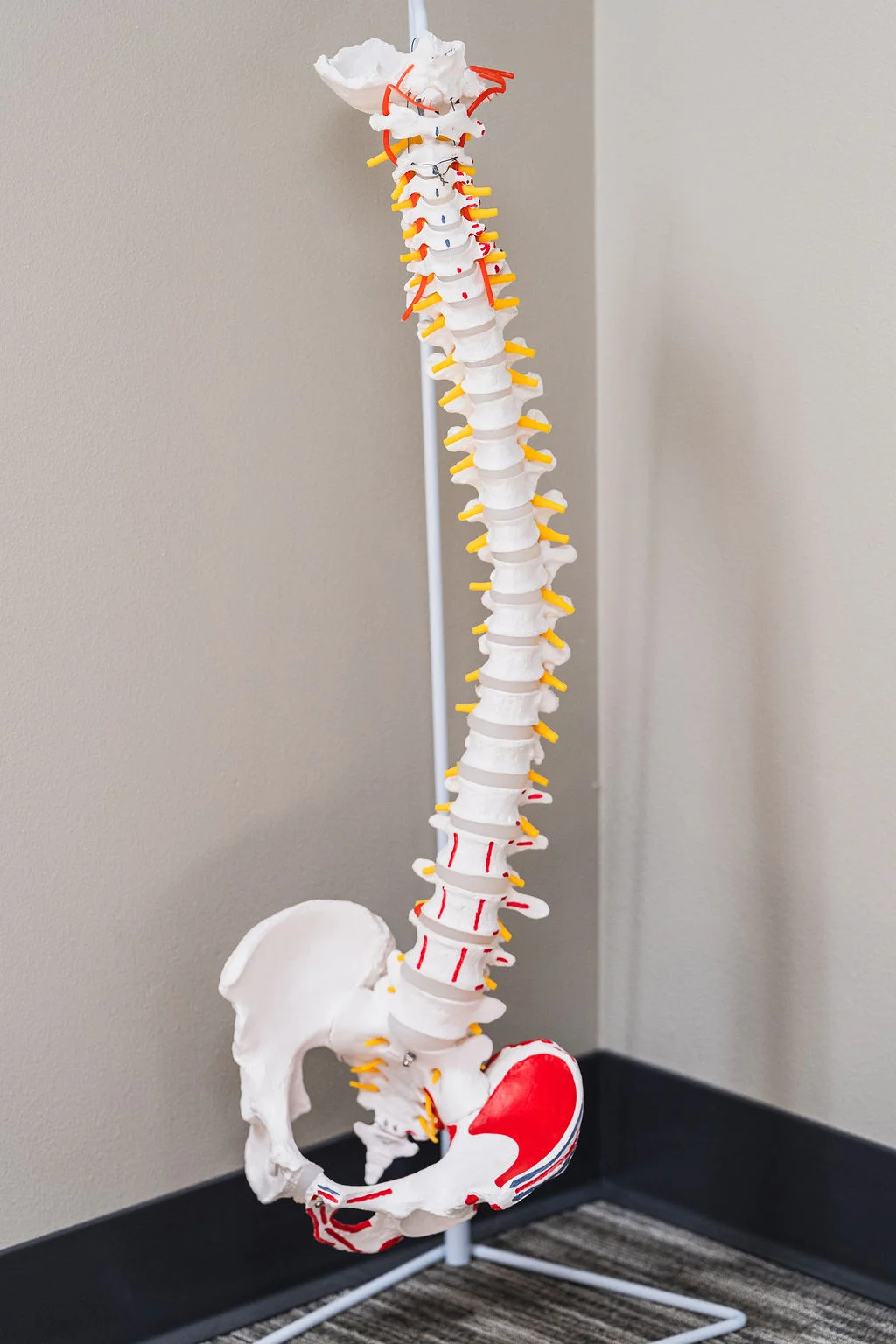
Here’s something many parents don’t know: a significant portion of childhood leg pain that gets labeled as growing pains is actually referred pain from lumbar subluxations. The nerve roots that exit the lower spine supply the legs – and when those roots are irritated by a misaligned vertebra, the pain is felt in the leg, not in the back.
A child may never complain of back pain at all. They just keep saying their legs hurt, especially after sports or at the end of an active day. The lumbar spine is rarely examined because the pain isn’t there – but that’s often where the issue originates.
Dr. Reegin Kehn’s approach to these presentations involves a thorough evaluation of the full spine, not just the area where the pain is reported. The Gonstead analysis used at our Cedar Falls practice is well-suited to finding these patterns in children, because it goes beyond where it hurts and looks at what the nervous system is actually signaling at each spinal level.
What to Watch for at Home
Parents are often the first to notice something is off, even when they can’t name exactly what it is. Here are specific patterns worth bringing to our attention:
Limping or favoring one side, even briefly after activity. A child who “walks it off” after sports but consistently does so on the same side is showing a compensation pattern that shouldn’t be ignored.
Complaints of hip pain. Hip pain in children can originate from the hip itself, but it can also be referred from lumbar or sacral segments. Either way, it warrants evaluation rather than watchful waiting.
Recurring leg cramps that don’t follow the typical evening-only growing pains pattern – especially if they occur during activity rather than at rest. Exercise-triggered leg pain has different causes than classic growing pains and includes both musculoskeletal and neurological contributors.
Back pain after sports. Lower back soreness that persists for more than a day or two after athletic activity isn’t normal wear and tear in a child. Repetitive sports like gymnastics, swimming, wrestling, and baseball put significant spinal stress on developing bodies and can produce subluxation patterns that are worth identifying early.
Any pain that affects your child’s willingness to participate in activities they normally enjoy. This is a quality-of-life issue that deserves a clear explanation, not ongoing reassurance that they’ll grow out of it.
Why Early Evaluation Makes a Practical Difference
Children’s spines respond to chiropractic care well – often faster and more completely than adult spines with years of established compensation patterns. When a subluxation is identified in a child during the growth years, the window for straightforward correction is genuinely favorable.
Left unaddressed, childhood spinal patterns can establish structural habits that become progressively harder to change. A slight pelvic imbalance at age 8 that creates occasional leg pain may contribute to chronic low back pain at 25. A cervical subluxation from a sports collision at 10 that causes intermittent headaches may develop into a more significant cervical pattern by adolescence. Early intervention isn’t about treating problems that don’t exist – it’s about addressing real findings while correction is still efficient.
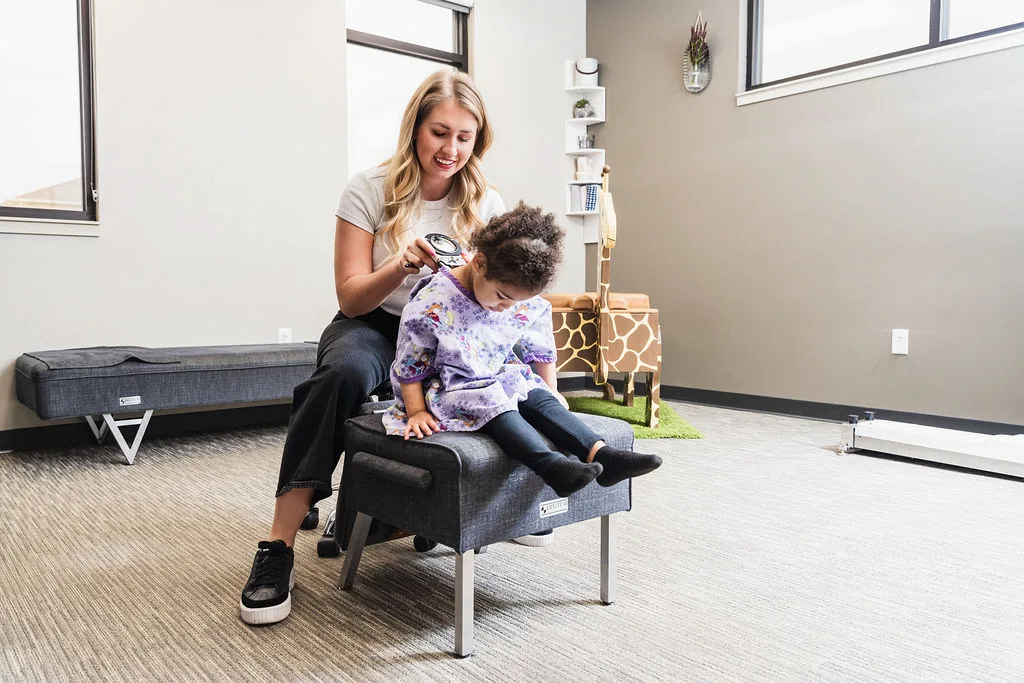
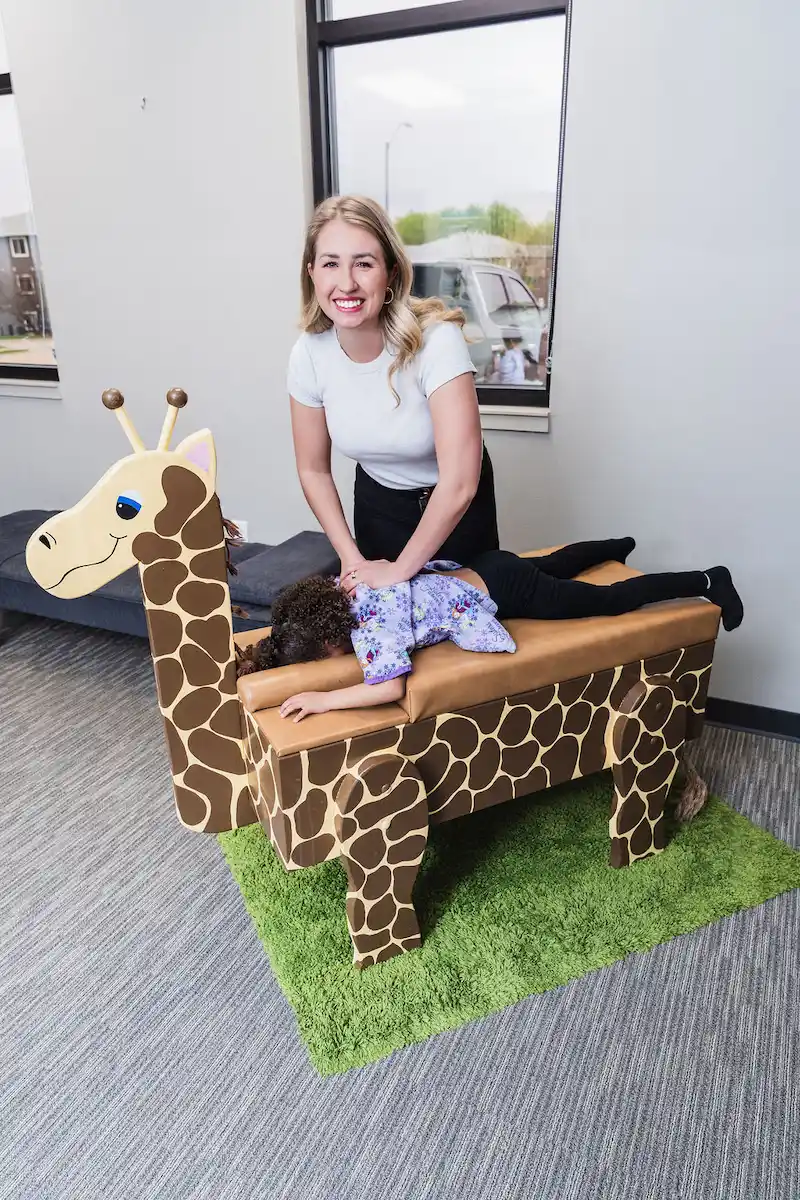
Dr. Kehn’s training in pediatric chiropractic means she understands how to work with children at different developmental stages – the techniques, the communication, and the adjustment forces appropriate for each age. Our pediatric chiropractic care at Wayson Family is specifically designed for developing bodies, not scaled-down adult care.
A Note on Talking to Your Child About Their Pain
Kids often don’t have the vocabulary to describe what they’re feeling accurately, which can make it hard to assess severity from their reports alone. A few questions that tend to get more useful answers: “Does it hurt when you run, or only after?” “Does it hurt on one side or both?” “Does it feel better in the morning or worse?” “Does the pain go all the way down your leg or just in one spot?”
Those specifics help us understand the pattern and distinguish between the different possible causes. When you come in, sharing what your child has said – even in imprecise terms – is useful input alongside our clinical assessment.
If you’re in Cedar Falls or the Cedar Valley and your child is dealing with recurring leg pain, back pain, or aches that don’t fit the classic growing pains picture, Dr. Reegin Kehn is here to help. Call Wayson Family Chiropractic at 319-266-1119 or schedule online to get a proper evaluation and clear answers.