
The relationship between spinal health and immune function is one of the most underappreciated aspects of chiropractic care – and it’s one I understand personally. I dealt with chronic allergies and sinus infections for most of my life before chiropractic resolved them completely. That experience shapes how I talk about this topic with patients in Cedar Falls, because I’m not working from theory alone. I’ve lived it.
The Nervous System Controls More Than Movement
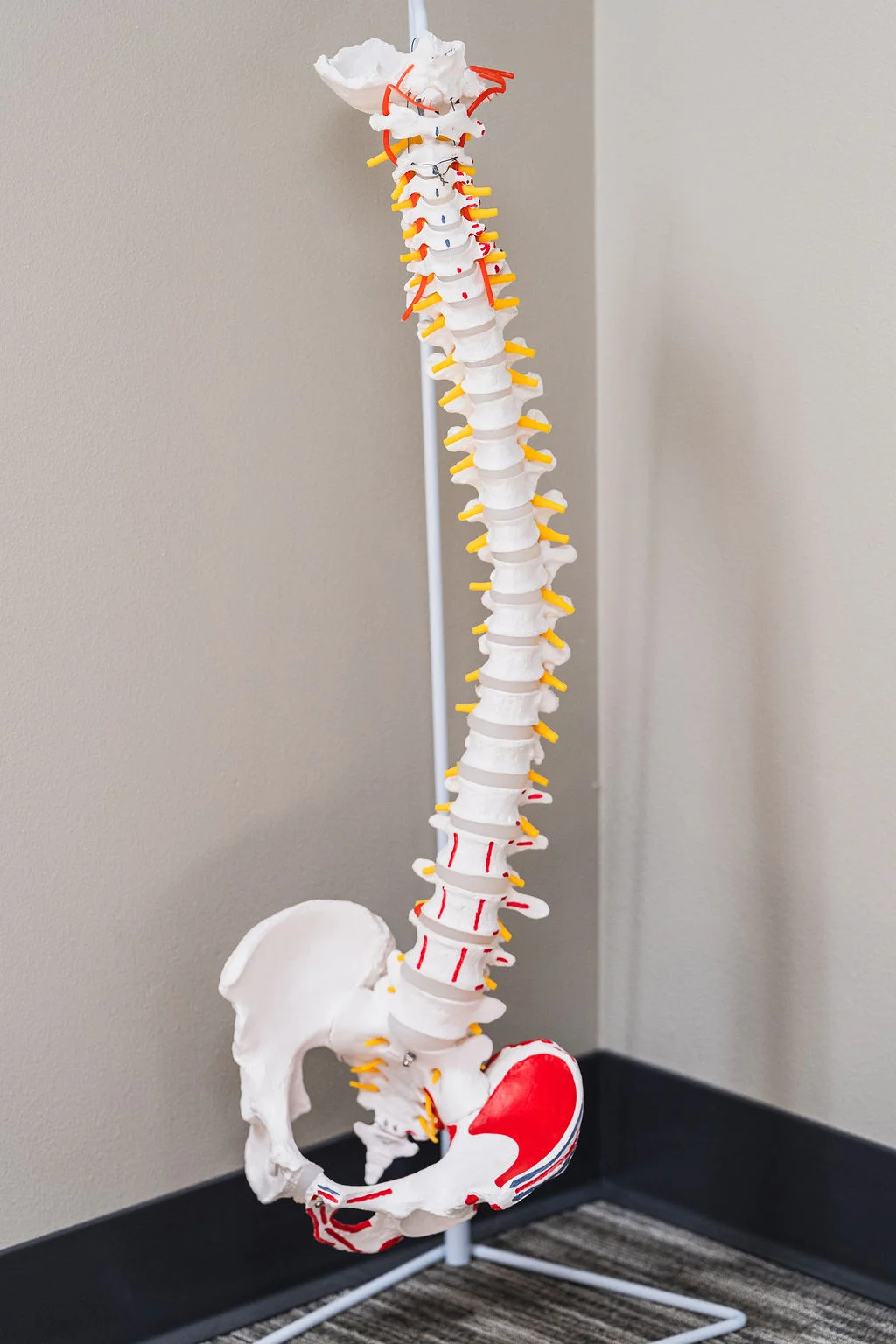
Most people think of chiropractic in terms of musculoskeletal care – back pain, neck pain, posture. And that’s a legitimate focus. But the spine’s primary function isn’t structural support. It’s protection of the spinal cord and the nerve roots that branch out from it.
Those nerves don’t just control muscles. They regulate organs, glands, and every system in the body – including the immune system. The nervous system and the immune system are in constant communication. They share signaling molecules, respond to each other’s cues, and work together to maintain what researchers call homeostasis – the body’s ability to regulate itself and respond to threats effectively.
When vertebral subluxations create nerve interference, that communication gets disrupted. The downstream effects depend on which nerve roots are affected and how long the interference has been present. Sometimes it’s pain. Sometimes it’s organ dysfunction. And in some cases, it’s an immune system that’s either overreactive – producing the kind of chronic inflammation that drives allergies and autoimmune patterns – or underreactive, meaning frequent illness and slow recovery.
My Own Experience With Allergies and Chiropractic
I grew up in Cedar Falls dealing with allergies that were just part of my life. Congestion, sinus pressure, the seasonal patterns that anyone with chronic allergies knows well. I managed it the way most people do – over-the-counter medications when it got bad enough, and otherwise just accepting it as background noise.
When I started receiving regular chiropractic care in college after a football injury, the change in my allergy symptoms wasn’t something I expected or was looking for. But over the course of several months of consistent care, the chronic congestion that I’d had for years began to clear. The frequency and severity of sinus infections dropped. Eventually, symptoms I’d had my entire life largely resolved.
I’m not claiming chiropractic cures allergies. That would be an overclaim, and I don’t make those. What I believe happened – and what the research on neuroimmunology supports – is that removing nerve interference allowed my immune system to regulate itself more effectively. My body wasn’t broken. It was functioning under interference that once removed, allowed normal regulation to return.
My wife Jennifer had a similar experience with chronic lower back pain. When the underlying subluxation patterns were corrected, the pain that had been limiting her life for years resolved. In both cases, the body did the healing once the interference was removed. That’s the core principle behind what we do at Wayson Family Chiropractic.
What the Research Suggests
The field of psychoneuroimmunology – the study of how the nervous system, immune system, and psychological state interact – has produced substantial evidence that these systems are deeply interconnected. This isn’t fringe science. It’s mainstream research published in peer-reviewed journals over the past several decades.
Studies have found that chiropractic adjustments can influence immune markers, including changes in white blood cell counts and immune-signaling molecules in the hours following adjustment. The proposed mechanism involves the nervous system’s role in regulating the thymus, spleen, and lymph nodes – all immune tissue that receives direct nerve supply from spinal levels that chiropractic care commonly addresses.
That doesn’t mean walking into a chiropractor’s office will fix a serious immune disorder. Medicine has an important role in those situations. But for the many Cedar Falls and Waterloo patients dealing with chronic low-grade immune dysfunction – frequent colds, slow recovery, persistent congestion, or heightened inflammatory patterns – the spinal health connection is worth taking seriously.
Upper Cervical Adjustments and Sinus Function
The upper cervical spine – the C1 and C2 vertebrae at the base of the skull – has a particularly significant relationship with sinus and immune function. The nerve supply to the sinuses, the mucous membranes, and the lymphatic drainage of the head and neck all have connections to the upper cervical region.
Subluxations in this area are extremely common, especially in people who carry tension in the neck and shoulders, who’ve had whiplash injuries, or who spend long hours looking at screens. When those segments are misaligned, the nerve supply to the structures they serve is compromised.
In my practice, patients who come in primarily for neck pain or headaches often report secondary improvements in sinus congestion and allergy symptoms after upper cervical adjustments. That’s not a coincidence. It’s the nervous system doing its job once interference is removed.
Stress, the Spine, and Immune Suppression
There’s a well-established connection between chronic stress and immune suppression – most people have experienced getting sick after a particularly stressful period. What’s less commonly understood is how the spine fits into that picture.
Chronic stress keeps the nervous system in a state of sympathetic dominance – the physiological “fight or flight” state. Sustained sympathetic activity suppresses immune function because the body is prioritizing immediate survival responses over maintenance and repair. It also drives muscle tension patterns in the neck and upper back that contribute directly to spinal subluxations.
Regular chiropractic care supports parasympathetic nervous system activity – the “rest and digest” state where immune function, digestion, and tissue repair all operate optimally. For patients dealing with both chronic stress and frequent illness, addressing the spinal component is part of a complete picture.
This Isn’t a Replacement for Medical Care
It’s worth being direct about something. If you have a serious immune disorder, an active infection, or a condition requiring medical management, chiropractic is a complement to that care – not a replacement for it. We work alongside the medical community, not in opposition to it.
What chiropractic addresses is the neurological environment in which your immune system operates. A nervous system free from vertebral interference is better positioned to regulate immune function effectively. That’s a meaningful contribution to overall health, but it’s one piece of a complete picture.
If you’re dealing with chronic sinus issues, frequent illness, or inflammatory patterns that haven’t responded well to conventional approaches, a spinal evaluation is worth considering. Call us at 319-266-1119 or reach out online to schedule a visit at our Cedar Falls practice. A thorough Gonstead assessment can tell you a great deal about what’s happening in your spine – and whether nerve interference may be a contributing factor to what you’re experiencing.