
Construction workers and manual laborers in Cedar Falls face constant back injury risk from repetitive lifting, overhead work, awkward positions, and whole-body vibration from equipment that creates spinal misalignments leading to chronic pain and disability. Gonstead chiropractic care identifies and corrects the specific vertebral dysfunctions caused by manual labor before they progress to serious injuries that force career changes or workers’ compensation claims. Regular preventive adjustments keep construction crews working safely while addressing the cumulative spinal stress that builds over weeks and months of physical work.
Why Manual Labor Creates Unique Spinal Stress
Office workers sit too much. Manual laborers move too much, but often in ways that damage the spine.
Your spine wasn’t designed for repetitive heavy lifting, sustained awkward positions, or constant vibration. Yet these are daily realities for construction workers, warehouse staff, and other manual laborers.
The cumulative effect over years creates predictable injury patterns. Understanding these patterns helps prevent them.
Common Injury Mechanisms in Construction Work
Different manual labor tasks create different types of spinal stress.
Repetitive Lifting and Carrying
Lifting materials, tools, and equipment dozens of times daily compresses your lumbar spine. Each lift might not hurt, but thousands of repetitions create progressive disc compression and vertebral misalignment.
Even proper lifting technique doesn’t eliminate all stress. Perfect form reduces risk but doesn’t make lifting impact-free.
Overhead Work
Electricians, painters, drywall installers, and other trades working overhead create cervical and thoracic strain. Sustained neck extension and shoulder elevation stress the upper spine.
Awkward Positions
Plumbers working under sinks, electricians in crawl spaces, and mechanics under equipment all force the spine into bent, twisted postures for extended periods.
These positions create uneven disc pressure and joint stress that leads to misalignment.
Whole-Body Vibration
Operating jackhammers, riding heavy equipment, and using vibrating tools all transmit forces through your spine. This constant vibration loosens ligaments and allows vertebrae to shift out of position gradually.
Repetitive Twisting
Shoveling, sweeping, and other repetitive twisting movements create rotational stress on lumbar discs and facet joints.
The Progression from Discomfort to Disability
Back problems in manual laborers follow a predictable pattern if not addressed.
Early stage involves morning stiffness that loosens up once you start moving. Your back feels tight but doesn’t significantly limit work.
Middle stage brings pain during work. Certain movements hurt. You modify technique to avoid pain, which creates compensation problems elsewhere.
Advanced stage means pain interferes with work performance. You can’t lift as much. You work slower. You consider changing careers.
Final stage is disability. You physically cannot perform your job. Workers’ compensation claims, lost income, and career changes all result.
The key is intervening in early stages, not waiting until disability forces action.
How Gonstead Chiropractic Addresses Work-Related Injuries
At Wayson Family Chiropractic, we see manual laborers from across the Cedar Falls and Waterloo area.
Your case history includes details about your specific work tasks. What do you lift? How often? What positions do you work in? This information helps us understand injury mechanisms.
Physical examination identifies current problems before they become severe. We’re looking for early misalignments and restrictions that haven’t created significant symptoms yet.
X-rays show the cumulative damage from years of manual labor. Disc compression, early arthritis, and structural changes all appear clearly.
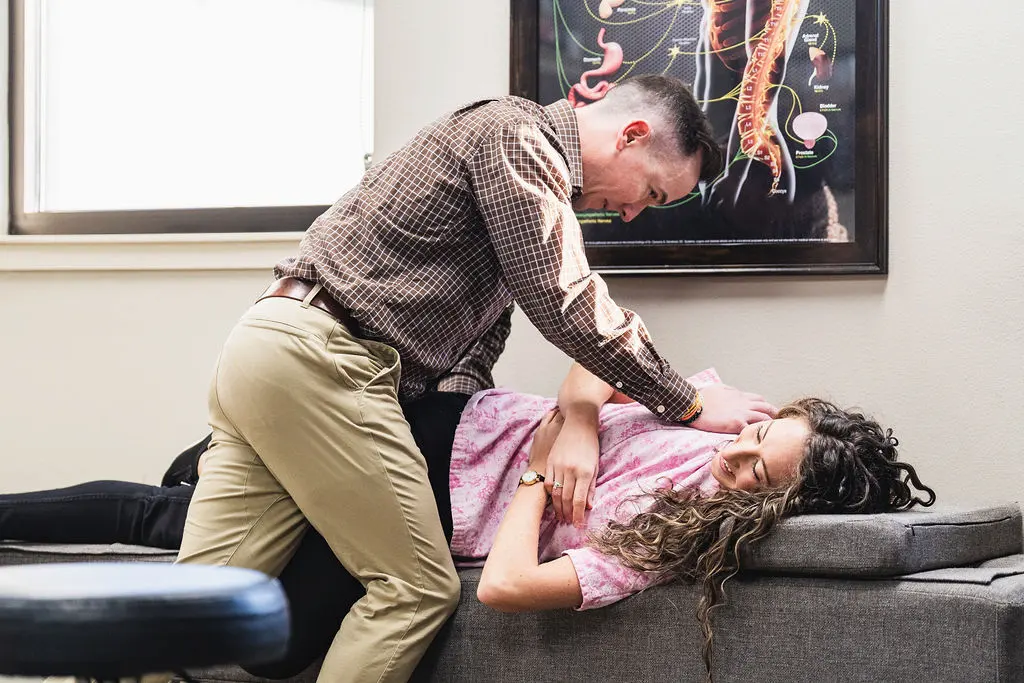
Adjustments correct the misalignments creating current symptoms and prevent progression to more serious problems. We target the specific areas stressed by your type of work.
Preventive Care vs. Injury Treatment
Two approaches to chiropractic care exist for manual laborers: preventive maintenance and injury treatment.
Preventive Maintenance
Regular adjustments before significant problems develop keep your spine functioning well despite work demands. Weekly or biweekly maintenance during busy seasons prevents acute injuries.
Think of it like maintaining equipment. You don’t wait for the excavator to break down before servicing it. Your spine deserves the same preventive approach.
Injury Treatment
When acute injury occurs, prompt treatment prevents minor problems from becoming major ones. Early intervention after a lifting injury or fall can prevent weeks of lost work.
The ideal approach combines both: regular maintenance to prevent problems, with increased frequency if acute issues develop.
Workers’ Compensation and Chiropractic Care
Iowa workers’ compensation covers chiropractic care for work-related injuries. Understanding the process helps you get needed treatment.
Report injuries to your employer immediately, even minor ones. Delayed reporting can create issues with claim approval.
Your employer should provide information about approved healthcare providers. Many workers’ comp insurance plans include chiropractic coverage.
At our Cedar Falls practice, we work with workers’ compensation regularly. We provide necessary documentation and communicate with adjusters and case managers.
Don’t let insurance concerns delay treatment. Work injuries that go untreated typically worsen and create longer recovery times.
Specific Recommendations for Different Trades
Different construction trades benefit from targeted advice based on their specific injury risks.
Framers and Carpenters
Repetitive overhead hammering and lifting creates shoulder and upper back stress. Regular thoracic adjustments maintain mobility and reduce injury risk.
Concrete Workers
Bending, shoveling, and finishing concrete stresses the lumbar spine severely. Preventive lumbar care is critical for this trade.
Electricians
Overhead work and crawling through tight spaces creates both cervical and lumbar problems. Full-spine maintenance helps.
Plumbers
Working under sinks and in crawl spaces forces awkward positions. The resulting spinal strain responds well to regular adjustments.
Roofers
Kneeling on roofs and repetitive nail gun use creates hip, knee, and thoracic spine stress. Hip and pelvic adjustments help significantly.
Equipment Operators
Whole-body vibration from heavy equipment is particularly damaging. More frequent adjustments during active projects help counteract vibration effects.
Body Mechanics That Actually Work
Everyone knows “lift with your legs, not your back.” But proper body mechanics goes beyond that basic advice.
Keep Loads Close
The farther from your body you hold weight, the more stress on your spine. Keep materials tight against your body when lifting and carrying.
Avoid Twisting While Loaded
Turning while holding weight creates rotational disc stress. Move your feet instead of twisting your spine.
Split Heavy Loads
Make two trips instead of one with an excessive load. The time savings isn’t worth the injury risk.
Use Mechanical Advantage
Dollies, carts, and equipment exist for a reason. Use them instead of manual carrying when possible.
Alternate Tasks
Don’t spend all day doing one repetitive motion. Varying tasks gives different muscle groups rest.
The Role of Core Strength
Strong core muscles support your spine during manual labor. Chiropractic adjustments improve alignment, but core strength maintains it.
Basic core exercises make significant differences. Planks, bird dogs, and dead bugs all build stability without requiring gym membership.
Even 10 minutes of core work three times weekly helps protect your spine during heavy labor.
We can recommend appropriate exercises based on your current condition and work demands.
When to Push Through vs. When to Stop
Manual laborers often push through pain. Sometimes this is necessary. Sometimes it’s dangerous.
Minor Soreness Is Normal
If you’re sore but can move through full range of motion without sharp pain, you can usually work. This is typical muscle fatigue from physical labor.
Sharp Pain Is a Warning
If specific movements create sharp pain, stop. Sharp pain indicates structural problems that worsen with continued stress.
Numbness or Weakness Requires Immediate Attention
These neurological symptoms mean nerve involvement. Working through them risks permanent damage.
Pain That Doesn’t Improve Overnight Needs Evaluation
Normal work soreness recovers with rest. Pain that persists or worsens after a night’s rest indicates injury requiring treatment.
The Financial Reality of Back Injuries
Back injuries cost manual laborers far more than medical bills.
Lost wages during recovery add up quickly. Even with workers’ compensation, you’re not making full pay.
Permanent restrictions limit earning potential. If you can’t lift more than 25 pounds, many construction jobs become unavailable.
Career changes force retraining costs and often mean lower pay in new fields.
The investment in preventive chiropractic care is minimal compared to these potential costs.
Age and Manual Labor
Manual labor gets harder as you age, not just from declining fitness but from accumulated spinal damage.
The 50-year-old construction worker has 20-30 years of cumulative stress on his spine. Discs are compressed. Joints show wear. Compensation patterns are established.
Regular chiropractic care throughout your career helps you work longer. Many manual laborers in their 50s and 60s credit chiropractic care with keeping them able to work.
If you’re young in your trade, starting preventive care now prevents the problems that force older workers into early retirement.
Insurance Coverage for Preventive Care
Many health insurance plans cover chiropractic care. Check your specific benefits.
Even if insurance doesn’t cover preventive maintenance visits, the out-of-pocket cost is manageable compared to lost income from injury.
Some employers offer wellness benefits or health savings accounts that can cover preventive chiropractic care.
We’re transparent about costs and work with patients to create affordable care plans.
What Employers Should Know
Construction companies and contractors benefit when workers maintain spinal health.
Healthy workers are more productive. They work faster and take fewer breaks from pain.
Fewer injuries mean lower workers’ compensation insurance costs. Insurance rates are partially experience-based.
Reduced turnover saves training costs. Workers who stay healthy stay in their trades longer.
Some progressive employers offer chiropractic care as a workplace wellness benefit or arrange group rates for employees.
The Cedar Valley Construction Community
Cedar Falls and Waterloo have active construction industries. Residential building, commercial projects, and industrial maintenance all create manual labor demand.
The construction community here understands physical demands and injury risks. Many crews have informal knowledge about which workers see chiropractors and stay healthy versus those dealing with chronic problems.
Word-of-mouth in the trades is powerful. Manual laborers trust recommendations from coworkers who’ve experienced relief.
Don’t Wait Until You Can’t Work
If you’re a construction worker, warehouse employee, or other manual laborer in Cedar Falls or Waterloo dealing with back pain, don’t push through until you’re forced to stop working.
Early intervention prevents minor problems from ending careers. Regular maintenance keeps you working despite the physical demands of your job.
Your back is your livelihood. Protecting it should be as routine as maintaining your tools and equipment.
Schedule a consultation at Wayson Family Chiropractic or call 319-266-1119 to get evaluated before work-related back problems force you to stop working. Let’s keep you on the job and pain-free.