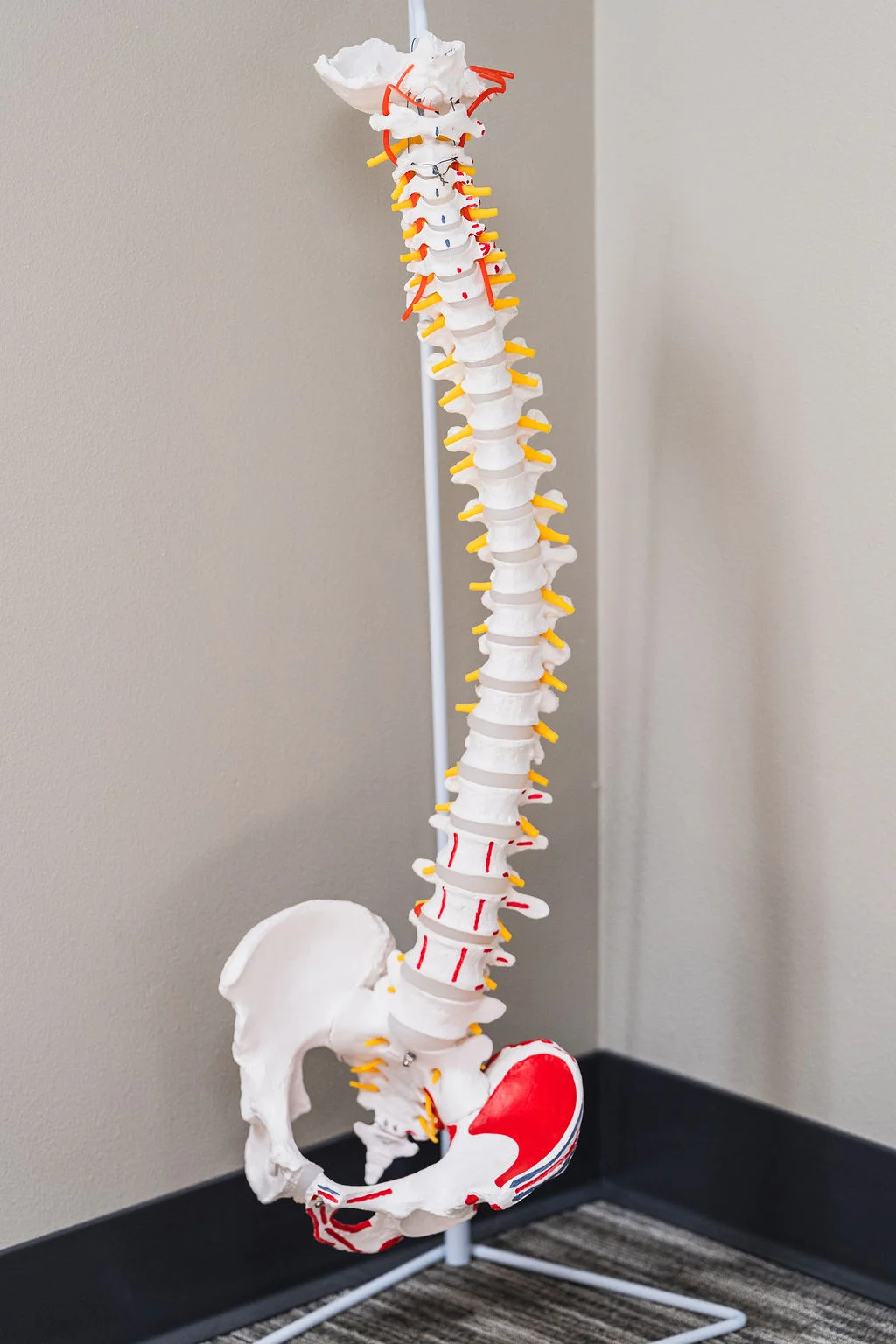
Gonstead chiropractic differs from other techniques by requiring comprehensive 5-component analysis before any adjustment, correcting only the specific vertebrae causing problems rather than manipulating the entire spine, and using full-spine standing X-rays to see structural problems that other methods miss. While many chiropractic approaches provide value, the Gonstead system’s precision ensures adjustments target actual misalignments identified through objective testing rather than assumptions based on symptom location. This systematic approach typically produces faster, more complete corrections with fewer total adjustments needed.
Understanding That Chiropractic Isn’t One Thing
Most people assume all chiropractors do the same thing. This misconception causes confusion when choosing a provider.
Chiropractic is a profession, not a technique. It’s like saying “surgery.” There are many surgical specialties and approaches. The same applies to chiropractic.
Over 100 different chiropractic techniques exist. Some are similar with minor variations. Others differ fundamentally in philosophy and application.
Understanding these differences helps you choose a chiropractor whose approach matches your needs and preferences.
The Gonstead Technique Foundation
Dr. Clarence Gonstead developed this technique in the 1920s and refined it over five decades of practice. His approach emphasized precision and objective analysis.
The core principle is simple: identify exactly which vertebrae are misaligned, adjust only those vertebrae in the specific direction needed, and verify correction through follow-up analysis.
This requires comprehensive evaluation before adjustment. The 5-component analysis (case history, visualization, instrumentation, palpation, X-ray) provides objective data about spinal function.
Only after this thorough analysis do adjustments occur. And those adjustments target specific problem areas, not the entire spine.
Diversified Technique: The Most Common Approach
Diversified is taught in most chiropractic colleges and is the most widely practiced technique.
It uses a variety of adjustment methods adapted from multiple techniques. Chiropractors using Diversified might adjust lying down, sitting, or standing depending on the area being treated.
The approach is effective for many patients. It’s also versatile, allowing chiropractors to adapt to different patient needs.
The main difference from Gonstead is less emphasis on comprehensive analysis before adjustment. Many Diversified practitioners adjust based primarily on palpation and symptom location without X-rays or instrumentation.
Activator Method: Low-Force Instrument Adjusting
The Activator Method uses a small, spring-loaded instrument instead of manual adjustment.
The chiropractor applies the Activator to specific points on your spine. It delivers a quick, low-force impulse designed to move vertebrae without the “cracking” sound of manual adjustments.
This appeals to patients who prefer gentler approaches or are anxious about manual manipulation.
The limitation is force control. The instrument delivers a standardized impulse. It doesn’t adjust based on individual patient needs the way manual techniques do.
Thompson Drop Technique: Table-Assisted Adjustments
Thompson Technique uses special tables with sections that drop slightly when the chiropractor delivers an adjustment.
The drop assists the adjustment force, allowing effective correction with less manual force. This is comfortable for many patients.
Thompson practitioners use leg length analysis to identify pelvic misalignment and determine which areas need adjustment.
While effective, the leg length method is less comprehensive than Gonstead’s 5-component analysis.
Upper Cervical Specific Techniques
Several techniques focus exclusively on the upper cervical spine (C1-C2), believing that correcting these areas addresses problems throughout the body.
These include NUCCA, Blair, and Atlas Orthogonal. All use precise measurements and gentle corrections of the atlas and axis vertebrae.
Upper cervical care benefits many patients, particularly those with headaches, dizziness, or neurological symptoms.
The philosophical difference from Gonstead is the focus on just two vertebrae rather than full-spine analysis. Gonstead practitioners believe multiple areas can cause problems and all should be evaluated.
Network Spinal Analysis: Light-Touch Approach
Network Spinal Analysis uses very light touches along the spine, primarily at specific “spinal gateways.”
The goal is to help the nervous system reorganize patterns and release stored tension.
This technique differs dramatically from Gonstead in both philosophy and application. There are no traditional adjustments or forceful manipulations.
Some patients appreciate the gentle approach. Others prefer more direct intervention for their spinal problems.
The Key Gonstead Differentiators
What specifically makes Gonstead different from these other approaches?
Full-Spine X-Ray Analysis
Gonstead practitioners consistently use standing, weight-bearing X-rays showing the entire spine. This reveals structural problems other techniques might miss.
Many other techniques use X-rays occasionally or not at all, relying instead on palpation and symptom location.
Specificity in Adjustment
Gonstead adjusts only the vertebrae identified as misaligned through analysis. If your thoracic spine is functioning normally, we don’t adjust it even if it’s near your problem area.
Some techniques routinely adjust multiple areas regardless of specific findings.
Nervoscope Instrumentation
The Nervoscope detects temperature differences indicating nerve interference. This objective measurement confirms or rules out problems in specific areas.
Most other techniques don’t use this type of instrumentation.
Multiple Forms of Analysis
The 5-component system provides redundant information. If all five components point to the same problem, confidence in the diagnosis is high.
Techniques using fewer evaluation methods have less certainty about what actually needs correction.
When Gonstead Works Best
Gonstead technique excels in certain situations.
Complex spinal problems with multiple areas of dysfunction benefit from comprehensive analysis. You need to know exactly what’s wrong and where.
Patients who’ve failed to improve with other chiropractic approaches often respond to Gonstead’s precision. Previous care might have missed the actual problem.
Athletes and people with high physical demands need the specificity Gonstead provides. Random adjustments can create instability in areas that were functioning well.
Chronic conditions with significant degeneration require the detailed structural information X-rays provide.
Situations Where Other Techniques Might Be Preferred
Being honest, Gonstead isn’t the only valid approach. Some situations might call for different techniques.
Patients who absolutely refuse X-rays for any reason can’t receive proper Gonstead care. Other techniques that don’t require imaging might suit them better.
Very elderly or fragile patients sometimes do better with the gentler Activator method rather than manual adjustments.
Patients who specifically prefer upper cervical care and believe in that philosophy might choose an upper cervical specialist.
That said, Gonstead’s adaptability means it works well for most patients when properly applied.
The Training and Expertise Factor
All chiropractic techniques require training. But the depth varies significantly.
Gonstead requires extensive post-graduate education beyond chiropractic school. Dr. Blake Wayson trained specifically in Gonstead technique at Palmer College of Chiropractic.
The technique is complex. Proper X-ray analysis, instrumentation use, and specific adjustment delivery all require dedicated study.
Not every chiropractor claiming to use Gonstead has received thorough training. At Wayson Family Chiropractic, all doctors are specifically trained in the complete Gonstead system.
What Patients Notice with Gonstead
Patients who’ve experienced both Gonstead and other techniques report noticeable differences.
The analysis is more thorough. Your first visit takes longer because of comprehensive evaluation. But this investment ensures accurate diagnosis.
Adjustments feel more specific. You’re not getting your entire spine adjusted every visit. Only problem areas receive attention.
Results often come faster. When you correct the actual problem rather than treating based on assumptions, the body responds more quickly.
Fewer total adjustments are typically needed. Specific, accurate correction requires less repetition than general approaches.
The Role of Patient Education
Gonstead practitioners emphasize patient education more than many other approaches.
You see your X-rays and understand exactly what’s wrong. The chiropractor points out misalignments, disc spacing issues, and structural problems.
You understand why certain vertebrae need adjustment and others don’t. This knowledge helps you participate actively in your care.
Many patients appreciate this educational aspect. They’re not just receiving treatment. They’re learning about their spine.
Addressing the “Best Technique” Question
Patients often ask which technique is “best.” The honest answer is it depends on your specific needs and preferences.
Gonstead’s comprehensive analysis and specificity make it ideal for complex problems, failed previous treatment, and patients who want to understand exactly what’s wrong.
Other techniques have advantages in specific situations or for certain patient preferences.
The skill and experience of the practitioner matters as much as the technique itself. An excellent chiropractor using any legitimate technique will get better results than a mediocre practitioner using the “best” technique.
Why Cedar Falls Patients Choose Gonstead
Patients throughout Cedar Falls and Waterloo choose our Gonstead approach for several reasons.
They want to know exactly what’s wrong before treatment begins. The comprehensive analysis provides that certainty.
They appreciate the conservative approach of only adjusting problem areas. This feels safer and more logical than routine full-spine manipulation.
They value the patient education aspect. Understanding your condition empowers better health decisions.
They’ve often tried other chiropractic approaches without good results and want the precision Gonstead offers.
Making an Informed Choice
When choosing a chiropractor, don’t just pick the closest office or the first ad you see.
Ask what technique they use. If they say “a little of everything,” that’s Diversified by another name. That’s fine, but know what you’re getting.
Ask about their analysis methods. Do they take X-rays? Use instrumentation? Perform comprehensive evaluation or adjust based primarily on symptoms?
Ask about their training in their stated technique. Post-graduate certification indicates serious commitment to that approach.
Ask how they determine what to adjust. The answer reveals whether they use specific analysis or general protocols.
The Bottom Line on Technique Differences
Chiropractic techniques aren’t all the same. Significant differences exist in philosophy, analysis methods, and adjustment approaches.
Gonstead stands out for comprehensive evaluation, specific correction based on objective findings, and consistent use of full-spine X-rays.
Other techniques have value and work well for many patients. The key is understanding what you’re receiving and choosing based on your needs and preferences.
At Wayson Family Chiropractic, we’re committed to the Gonstead system because we believe its precision produces the best outcomes for most patients.
If you want to experience the Gonstead difference and understand exactly what’s causing your spinal problems, schedule a consultation at Wayson Family Chiropractic or call 319-266-1119. We’ll show you what comprehensive spinal analysis reveals about your condition.